AI Call Analytics for Sales Teams: How to Maximize Conversion and Quality in 2026
Why Sales Teams Need AI Call Analytics in 2026
Sales departments are under constant pressure to deliver results, yet up to 90% of customer calls go unanalyzed or receive only superficial attention. Traditionally, quality control relied on supervisors manually listening to a tiny sample of calls—leaving most insights, mistakes, and opportunities undiscovered. In 2026, AI-powered call analytics is not just a trend, but a necessity for organizations aiming to stay competitive, improve customer experience, and maximize sales conversion rates.
Tip: Manual call review is insufficient. AI enables 100% systematic analysis, surfacing actionable data from every interaction.
Key Features of Modern AI Call Analytics
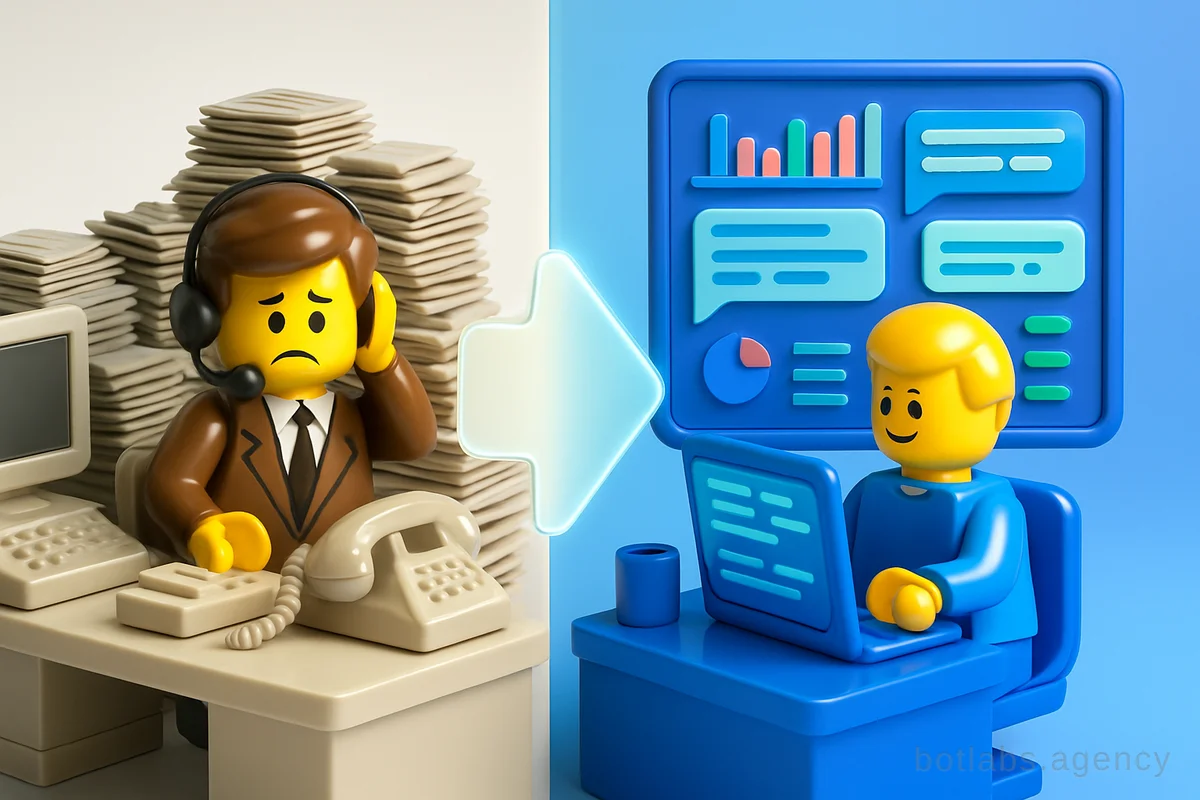
AI-driven call analysis brings a range of transformative features to sales teams:
| Feature | Description |
|---|---|
| 100% Call Coverage | Every call is analyzed, not just a selected few. |
| Automatic Transcription | Voice-to-text conversion for fast, searchable records. |
| Emotional & Sentiment Analysis | Detects tone, stress, satisfaction, or frustration in both client and agent. |
| Script Adherence | AI checks if agents follow approved sales scripts and compliance guidelines. |
| Keyword & Trigger Detection | Identifies critical words or phrases that drive successful outcomes or signal problems. |
| Scoring & Benchmarking | Each call is graded on tailored criteria—greeting, goal clarity, objection handling, etc. |
| Personalized Recommendations | AI suggests targeted coaching or next steps for agents based on call performance. |
| CRM Integration | Call data and analytics feed directly into your CRM, enriching lead and deal records. |
These features save hours of manual work, allow leaders to focus on strategy, and empower agents to improve continuously.
Case Study: Automating Call Evaluation at Scale
Consider the experience of a financial academy that sought to control the quality of its sales calls. Initially, they considered hiring a dedicated supervisor to manually review calls. However, the limits of human capacity quickly became apparent—one person can review only a fraction of total conversations.
By implementing an AI-based call analysis system, the academy achieved:
- Automated transcription and analysis of every call
- Evaluation against 13 custom criteria (greeting, qualification, product expertise, emotional closure, etc.)
- Scoring and textual feedback for each agent, highlighting strengths and pinpointing weaknesses
- Aggregated dashboards showing top performers, those needing training, and progress over time
Rather than relying on intuition or spot checks, management could now make data-driven decisions. For example, they found that the best-performing agent scored 60% effectiveness, while the lowest scored just 36%. The AI-generated feedback also enabled targeted coaching, leading to measurable improvements in agent performance over three months.
How AI Call Analytics Drives ROI: The Numbers
The return on investment (ROI) for AI call analytics is substantial and measurable.
- Conversion Rate Uplift: Companies implementing systematic AI-driven call analysis report conversion increases of 5% to 86%, depending on the baseline and industry.
- Time Savings: Automated analysis reduces hours of supervisor work to mere minutes per week. For example, a renovation company saved 3-4 hours weekly, freeing leaders for strategic tasks.
- Training Efficiency: New agents can be coached using real examples of both best- and worst-performing calls, accelerating onboarding and upskilling.
- Quality Assurance: AI detects script deviations, handling of objections, missed opportunities, and emotional cues that manual review often misses.
Chatbot ROI Calculator: Estimating the Impact
A practical approach is to use a chatbot ROI calculator for AI call analytics. Here’s a simple framework:
- Current Conversion Rate: What percentage of calls convert to sales?
- Expected Uplift: How much conversion improvement is realistic (e.g., +10%)?
- Call Volume: How many sales calls do you handle monthly?
- Average Deal Value: What is the average revenue per sale?
- Cost of AI Solution: Monthly or annual investment.
| Metric | Value |
|---|---|
| Current Conversion Rate | 15% |
| Expected Uplift | +10% (to 16.5%) |
| Monthly Calls | 1,000 |
| Avg. Deal Value (USD) | $300 |
| Extra Deals per Month | 15 |
| Extra Revenue per Month | $4,500 |
| Annual Extra Revenue | $54,000 |
| AI Solution Cost (Year) | $12,000 |
| Estimated ROI | 350% |
Tip: Plug your own numbers into this model to forecast your potential ROI. For more on chatbot ROI, see How Chatbots Transform Business in 2026.
Practical Implementation: Best Practices and Pitfalls
Rolling out AI call analytics requires thoughtful planning:
- Define Evaluation Criteria: Collaborate with sales, marketing, and management to set clear quality benchmarks (e.g., greeting, needs assessment, product presentation, closing).
- Integrate with Telephony and CRM: Ensure your AI solution can access call recordings, transcribe audio, and sync results with your CRM or sales platform.
- Customize for Teams: Tailor scoring profiles for different roles (sales, support) and experience levels.
- Monitor and Iterate: Use analytics dashboards to spot trends, track agent progress, and refine criteria as needed.
- Invest in Coaching: Use AI-generated feedback as the basis for ongoing training and 1:1 coaching sessions.
Common Pitfalls:
- Over-relying on automated scores without human review of edge cases
- Poor data integration with CRM
- Insufficient alignment on what "quality" means across the organization
Real-World Examples: AI Call Analytics in Action
AI call analysis is transforming industries:
- E-commerce & Retail: Automated call review identifies lost sales opportunities and improves loyalty program pitches. Learn more in the Jewelry Factory Case Study.
- B2B Sales: Dealer support chatbots and AI-enhanced call tracking streamline complex sales cycles. See KLEIBERIT Case Study.
- Healthcare: Appointment scheduling and triage bots ensure consistent patient communication and reduce no-shows, as shown in the AstraDent Case Study.
Table: Top 10 Essential AI Call Analysis Features
| # | AI Feature | Impact |
|---|---|---|
| 1 | 100% Call Monitoring | Zero missed insights |
| 2 | Sentiment Analysis | Early detection of churn or dissatisfaction |
| 3 | Script Comparison | Compliance and best-practice adherence |
| 4 | Keyword Spotting | Identifies sales triggers and red flags |
| 5 | Multilingual Support | Global coverage |
| 6 | Automated Summaries | Fast review, coaching, and documentation |
| 7 | CRM Integration | Data-driven sales processes |
| 8 | Customizable Scoring | Tailored to your business goals |
| 9 | Individual Agent Dashboards | Targeted feedback and training |
| 10 | Real-time Recommendations | Immediate improvement opportunities |
Callout: The Future is AI-Driven
Tip: In 2026, AI skills are no longer optional for sales leaders. Early adopters outpace competitors by leveraging every customer interaction for learning and growth.
Q1: Can AI call analytics replace human supervisors?
A: AI augments, not replaces, supervisors—handling routine analysis at scale while humans focus on coaching and strategy.
Q2: How does AI ensure data privacy?
A: Advanced solutions encrypt data, limit access, and comply with GDPR and other standards. Always choose a vendor with robust security protocols.
Q3: What is the typical payback period?
A: Many businesses recoup their investment in 3–6 months thanks to increased conversions and time savings.
---
Ready to see how AI call analytics can revolutionize your sales team? Request your free chatbot consultation or explore BotLabs chatbot portfolio.

Need a chatbot for your business?
We automate your processes and boost sales.