Chatbot for Restaurants: How AI-Powered Bots Are Transforming the Dining Experience in 2026
The Rise of Chatbots in the Restaurant Industry
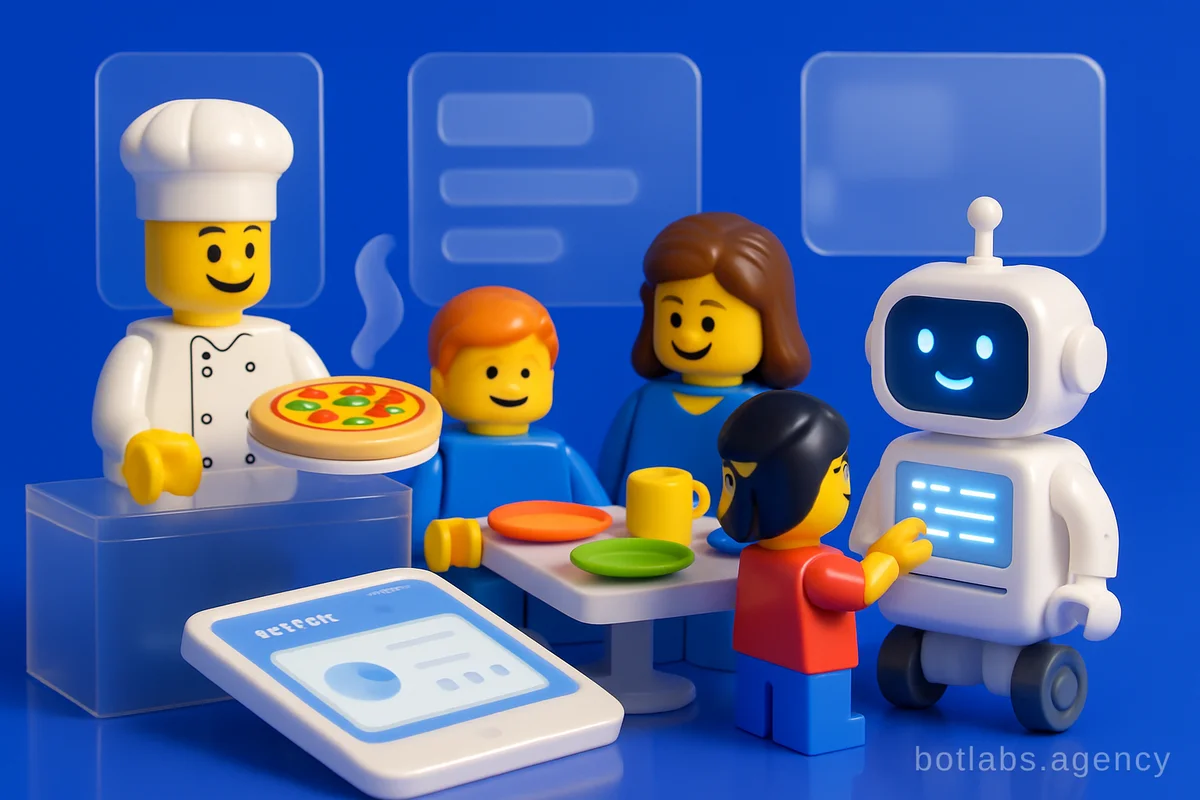
In 2026, the hospitality industry is witnessing a digital revolution, with chatbots taking center stage in cafes, restaurants, and pizzerias worldwide. No longer a novelty, restaurant chatbots are now vital tools, automating routine tasks, personalizing guest interactions, and driving operational efficiency.
Chatbots—AI-powered conversational agents—are seamlessly integrated into platforms like Telegram, WhatsApp, and business websites. They handle orders, bookings, and customer support 24/7, freeing up staff for more complex and creative work. With a growing emphasis on contactless service and rapid response, chatbots have become a must-have for businesses that want to stay competitive.
Tip: Looking to launch a chatbot quickly? Specialist agencies like BotLabs Agency can develop and deploy a custom solution in as little as 2-4 weeks—often faster and more affordably than building a full-fledged mobile app.
Core Features of a Modern Restaurant Chatbot
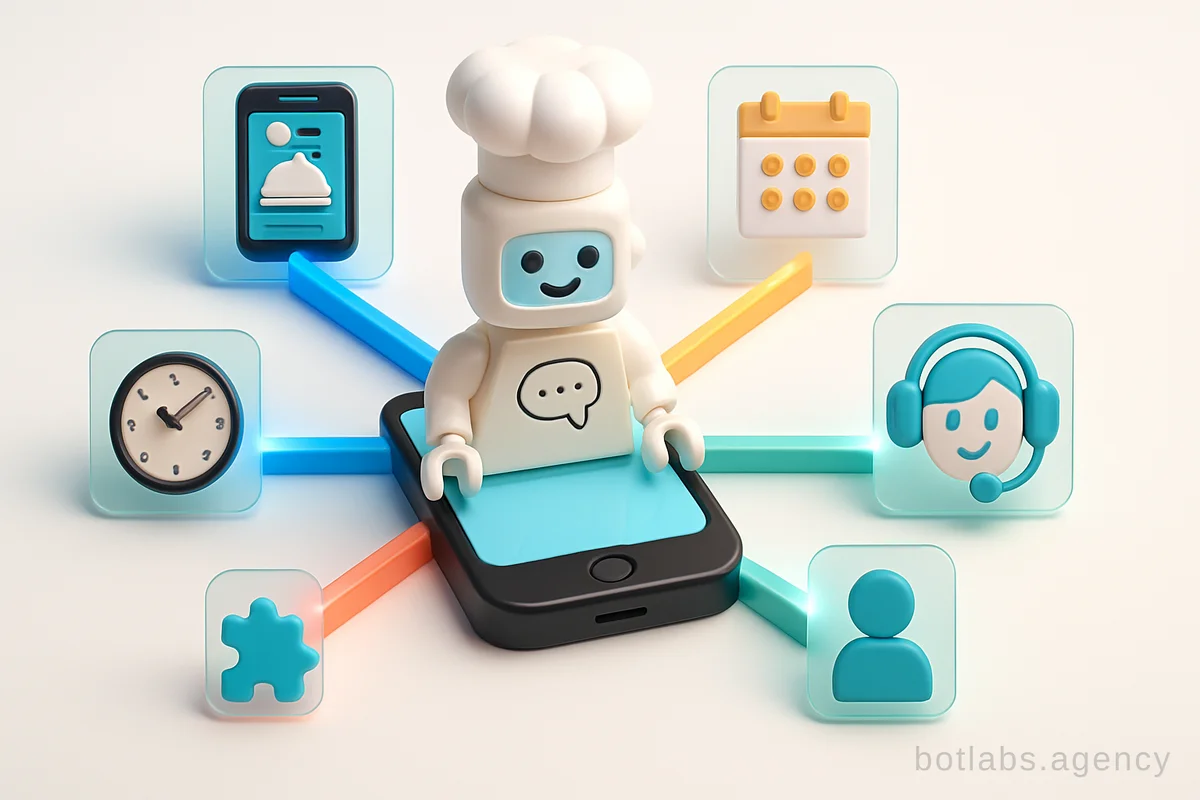
What exactly can a restaurant chatbot do? Today's advanced bots go far beyond simple text replies. Here are the key features transforming the dining experience:
| Feature | Customer Benefits | Business Benefits |
|---|---|---|
| Interactive Menu | Browse, filter, and view dishes by category | Update menu instantly, cross-sell items |
| Order Placement | Seamless ordering, no waiting in line | Reduce staff workload, increase accuracy |
| Table Booking | Book a table anytime, receive confirmation | Automate reservations, avoid double-booking |
| Payment Integration | Pay directly in chat via card/Apple Pay | Faster transactions, reduced cash handling |
| Loyalty Programs | Collect rewards, receive promo codes | Boost repeat visits, track engagement |
| Feedback Collection | Leave reviews, share preferences | Gather insights, improve service |
A practical example: Imagine a guest browsing your cafe’s Telegram chatbot. With just a few taps, they can explore the menu, place an order for pick-up or delivery, indicate dietary preferences, and pay—all without downloading an extra app or waiting for an available staff member.
Customer Service: 24/7 Support and Personalization
Chatbots aren’t just about transactional efficiency—they’re also about delivering exceptional hospitality. Unlike human staff limited by working hours or busy shifts, a chatbot can respond to customer queries at any hour, instantly. Common use cases include:
- Answering questions about menu ingredients or allergens
- Providing opening hours and location info
- Giving personalized dish recommendations based on past orders
- Resolving minor order issues or taking feedback in real time
Starbucks’ "My Starbucks Barista" is a prime example of how conversational AI can make ordering natural and frictionless, letting customers place and pay for their favorite drinks by simply chatting. This not only reduces queue times but also eliminates errors from misheard orders.
Tip: Integrating your chatbot with your CRM enables even deeper personalization—think targeted offers based on order history and automatic birthday greetings.
Streamlining Operations and Reducing Costs
For restaurant owners, the operational benefits of chatbots are significant:
- Labor Savings: Automating order intake, bookings, and FAQs reduces the need for extra staff during peak times.
- Order Accuracy: Chatbots minimize the risk of human error and ensure details are captured correctly.
- Faster Launch: Building a chatbot is typically quicker and more cost-effective than developing a mobile app.
- Data Collection: Every interaction provides valuable data on customer preferences, peak ordering times, and menu popularity.
Example: ROI from Chatbot Implementation
BotLabs Agency recently implemented a Telegram loyalty chatbot for a jewelry retailer, resulting in a 34% increase in repeat purchases. In another case, automating customer support with an AI chatbot cut average response times from 2 hours to just 30 seconds.
Multi-Platform Integration: Meeting Customers Where They Are
Choosing the right platform for your restaurant chatbot is key. In 2026, customers use a mix of channels—websites, apps, social media, and messengers. Here’s how you can leverage each:
- Telegram/WhatsApp/Viber: Ideal for instant communication with a broad user base. No app download needed.
- Business Websites: Embed chatbots for order placement, reservations, and customer support.
- Mobile Apps: Integrate chatbots for loyalty programs, personalized offers, and push notifications.
When selecting a platform, consider where your audience is most active and which features you need (e.g., payment integration, menu browsing, multilingual support).
Tip: Telegram Mini Apps, like those developed by BotLabs Agency, offer the convenience of a native app experience without the development overhead.
Enhancing Marketing and Driving Loyalty
A well-designed chatbot is also a marketing powerhouse. Here’s how restaurants are using bots to boost customer engagement:
- Automated Promotions: Push out special offers or new menu items to segmented customer groups.
- Loyalty Programs: Track visits, reward points, and send personalized discounts.
- Feedback Loops: Prompt guests for feedback after their meal to gather actionable insights.
- Event Reminders: Notify customers of special events, live music nights, or seasonal menus.
Practical Tips for Chatbot Marketing
- Segment your audience: Use chatbot data to deliver relevant messages.
- Personalize communications: Reference customers’ favorite dishes or previous bookings.
- A/B test messages: See what resonates and optimize accordingly.
Implementation Timeline and Cost Considerations
One of the most attractive aspects of chatbot development is the speed and affordability compared to traditional apps. For example, BotLabs Agency can deliver a fully customized Telegram or WhatsApp chatbot in just 2-4 weeks. Costs vary depending on complexity, integrations, and required features, but are generally lower than full-scale app development.
Cost Table Example
| Solution Type | Typical Development Time | Estimated Cost (USD) |
|---|---|---|
| Basic Order Chatbot | 2 weeks | $1,500 – $3,000 |
| Full-Service Restaurant Bot | 3–4 weeks | $3,000 – $7,000 |
| Advanced AI + CRM Integr. | 4+ weeks | $7,000+ |
Keep in mind: ongoing support and periodic updates are essential to keep your chatbot secure and aligned with evolving customer needs.
Future Trends: Where Are Restaurant Chatbots Headed in 2026?
Chatbots are rapidly advancing thanks to AI and natural language processing. Here’s what’s trending in 2026:
- Voice-Activated Ordering: Customers can now place orders via voice chat, making the experience even more accessible.
- Deeper Analytics: Chatbots now provide actionable insights on peak times, bestsellers, and customer sentiment.
- Omnichannel Experience: Seamless transitions between social, messenger, and website chatbots for unified service.
- AI Upselling: Bots dynamically suggest complementary dishes or upgrades based on real-time data.
- Multi-Language Support: Essential for tourist hotspots and cosmopolitan cities.
Tip: Stay ahead by choosing a chatbot platform that supports easy upgrades and AI enhancements as new features emerge.
Choosing the Right Chatbot Development Partner
Selecting the right partner is crucial for chatbot project success. Look for an agency with proven expertise in:
- Restaurant and hospitality automation
- Integration with CRM, POS, and payment gateways
- Post-launch support and analytics
- Custom scenario building (loyalty, booking, feedback, etc.)
BotLabs Agency, for instance, offers end-to-end chatbot development, from needs analysis to post-launch optimization. See their portfolio and case studies for real-world examples.
Step-by-Step: How to Launch Your Restaurant Chatbot
- Define Your Goals: Do you want to automate orders, booking, support, or all of the above?
- Choose Your Platform: Telegram, WhatsApp, website, or a combination.
- Design User Scenarios: Map out customer journeys—menu browsing, ordering, payment, feedback.
- Integrate Payment & CRM: Ensure secure transactions and personalized experiences.
- Test and Iterate: Gather feedback, make improvements, and update regularly.
- Promote Your Chatbot: Announce it on social media, in-store, and in newsletters.
Q1: How secure are restaurant chatbots for payments and data?
A1: Leading platforms use encrypted connections and comply with data privacy regulations, ensuring secure transactions and customer data protection.
Q2: Can chatbots handle multiple languages?
A2: Yes, modern chatbots support multi-language functionality, making them ideal for international or tourist-focused businesses.
Q3: What if I need custom features?
A3: Custom chatbot development agencies like BotLabs Agency can tailor features to your unique needs, from loyalty programs to CRM integrations.
---
For more insights and industry trends, visit the BotLabs Agency Blog.

Need a chatbot for your business?
We automate your processes and boost sales.