Web Development in 2026: Processes, Skills, and Real ROI for Modern Businesses
Introduction: Why Web Development Still Matters in 2026
Web development is the engine powering the digital presence of every modern business. In 2026, with AI, automation, and cloud-native platforms setting new standards, web development is more than just building websites—it's about crafting seamless digital experiences that drive growth, automate workflows, and deliver measurable ROI. Whether you need a classic website, a web app, or an AI-powered chatbot, understanding the essentials of web development is crucial for business success.
The Modern Web Development Lifecycle: From Idea to Real-World Impact
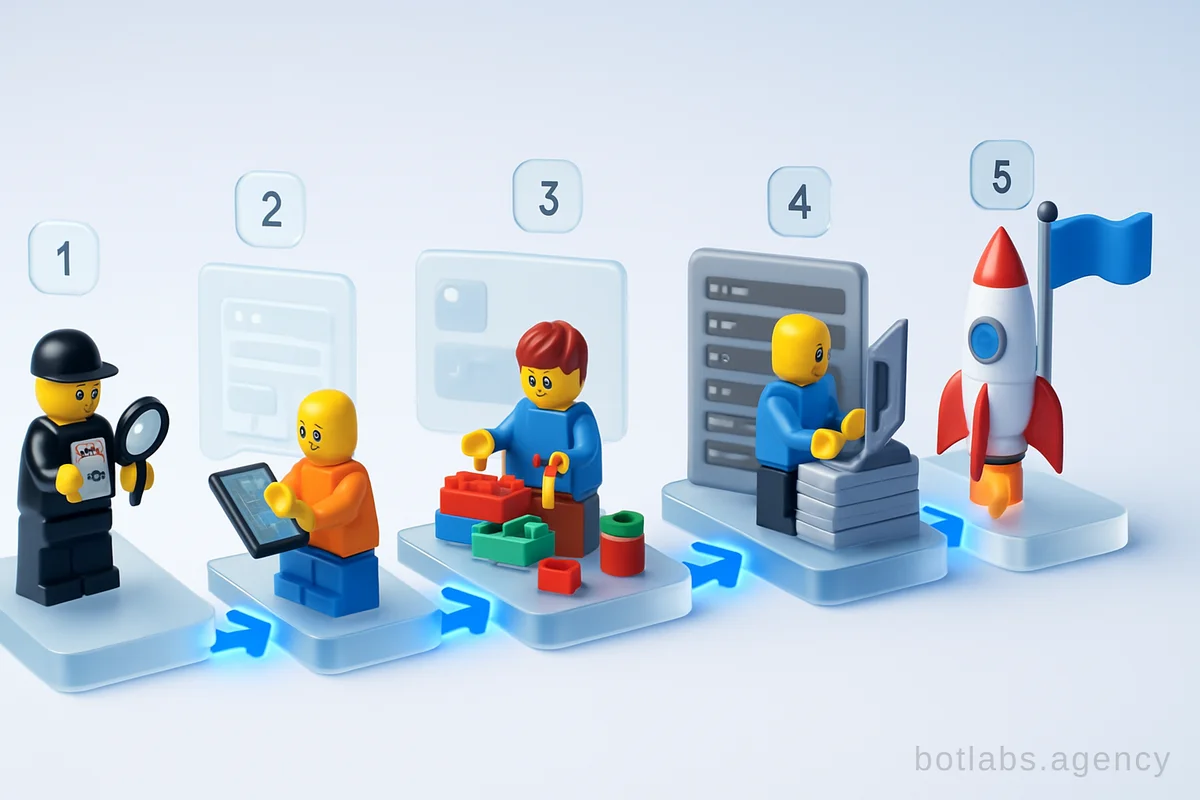
Web development is a structured process that ensures your project meets user needs and business goals. The typical lifecycle includes:
- Requirement Gathering & Analysis: Identify business objectives and user needs. This stage lays the foundation for technical specifications and user experience design.
- Concept & UI/UX Design: Develop creative concepts and design prototypes. Tools like Figma and Adobe XD are industry standards for prototyping.
- Page Layout & Multimedia: Create wireframes, design multimedia (images, videos, animations), and ensure brand consistency across all assets.
- Frontend Development: Turn designs into functional pages using HTML, CSS, and JavaScript. Responsive design is a must for mobile and desktop compatibility.
- Backend Development & Integration: Build server-side logic, integrate with databases (using SQL), and connect to third-party systems like CRMs or payment gateways.
- Content Management & SEO Optimization: Populate the website with optimized content, ensuring search engines can index and rank your site effectively.
- Testing & Quality Assurance: Conduct usability, performance, and security testing. Fix bugs and optimize before public launch.
- Deployment & Maintenance: Launch your project on a secure server, monitor performance, and provide ongoing updates and support.
Tip: Automate repetitive tasks (e.g., testing, deployment) using CI/CD pipelines for faster, more reliable releases.
Table: Key Stages in Web Development
| Stage | Key Activities | Typical Tools |
|---|---|---|
| Requirement Analysis | Interviews, user stories | Jira, Notion |
| UI/UX Design | Wireframing, prototyping | Figma, Adobe XD |
| Page Layout & Multimedia | Graphics, animations | Photoshop, AfterEffects |
| Frontend Development | HTML, CSS, JS coding | VS Code, React, Vue |
| Backend Development | Server logic, databases | Python, PHP, Node.js |
| CMS & Content Integration | Text, media, SEO | WordPress, Drupal |
| Testing & QA | Bug fixing, optimization | Selenium, Jest |
| Deployment & Maintenance | Hosting, updates | AWS, Azure, GitHub |
Core Technologies and Programming Languages in Web Development
The technology stack you choose determines your project's scalability, security, and maintainability. Here's a breakdown of the most important programming languages and frameworks in 2026:
- HTML5 & CSS3: The bedrock for structuring and styling web pages.
- JavaScript: Powers interactivity on the frontend (React, Vue, Angular) and can also be used for backend (Node.js).
- Python: Ideal for backend, AI, and data-driven websites. Fast prototyping and a rich ecosystem of libraries.
- PHP: Still widely used for content-driven websites and CMS platforms like WordPress.
- Java & C#: Preferred for large-scale enterprise web apps and robust backend systems.
- SQL & NoSQL: For structured (MySQL, PostgreSQL) and unstructured (MongoDB) data storage.
- Ruby: Known for rapid web app development, especially with Ruby on Rails.
Tip: Select a stack that matches your team’s expertise and your project’s scalability needs. For rapid MVPs, modern JS frameworks or Python/Django are popular choices.
Table: Popular Programming Languages in Web Development
| Language | Best For | Pros | Cons |
|---|---|---|---|
| JavaScript | Frontend, backend (Node.js) | Universal, large community | Can be complex to scale |
| Python | Backend, AI, automation | Fast prototyping, versatile | Dynamic typing pitfalls |
| PHP | CMS, small business sites | Easy to deploy, cost-effective | Legacy code, performance |
| Java/C# | Enterprise apps, APIs | Secure, scalable | Slower learning curve |
| Ruby | Startups, rapid dev | Elegant, fast for MVPs | Performance on large apps |
| SQL | Databases | Reliable, powerful queries | Complex for beginners |
Web Development Roles and Career Pathways
Web development is a collaborative field. Understanding the roles can help businesses build the right team and help professionals map their career trajectory:
- Junior Developer: Entry-level, focuses on basic coding (HTML/CSS/JS) and learns through hands-on projects.
- Middle Developer: More responsibility; independently handles complex features (e.g., Python, PHP, React).
- Senior Developer: Solves advanced problems, mentors juniors, and ensures code quality and architecture.
- Tech Lead: Shapes overall technical direction and architecture, bridges frontend-backend, and writes critical code.
- Team Lead: Combines technical skills with project management, ensuring team communication and delivery.
Tip: For SMBs, hiring multi-skilled developers (full-stack) can accelerate development and reduce costs.
Table: Web Development Career Stages
| Stage | Main Skills | Typical Responsibilities |
|---|---|---|
| Junior | HTML, CSS, basic JS | Simple tasks, learning, support |
| Middle | Advanced JS, backend, APIs | Independent feature development |
| Senior | Architecture, mentorship | Code reviews, complex problem solving |
| Tech Lead | System design, leadership | Tech decisions, code quality |
| Team Lead | Mgmt, communication | Team coordination, client liaison |
Measuring ROI: How Web Development Drives Business Success
Investing in web development is about more than just having a digital presence. In 2026, businesses demand clear ROI. Here’s how modern web development delivers measurable value:
- Increased Sales & Conversions: Optimized websites and apps boost conversion rates. For example, AI chatbots implemented by BotLabs Agency have reduced response times from hours to seconds, directly increasing sales opportunities (see case studies).
- Automated Workflows: Integrating CRMs and automating routine tasks saves time and minimizes errors.
- Enhanced Customer Experience: Personalized interfaces and self-service portals improve engagement and loyalty.
- Scalable Growth: Modern architectures (microservices, cloud-native) allow businesses to handle traffic spikes and scale effortlessly.
Case Example: After deploying a Telegram bot with loyalty programs for a retail chain, BotLabs Agency helped increase repeat purchases by 34%.
Practical Tips for Starting a Web Development Project
- Define clear business goals before starting. What do you want to achieve—lead generation, e-commerce, support automation?
- Choose the right platform: Website, web app, or mini-app? Explore the differences.
- Prioritize mobile-first design—over 70% of users access the web via mobile in 2026.
- Invest in SEO and accessibility from day one for better reach and compliance.
- Plan for ongoing support and analytics to continually improve your digital presence.
Q1: How long does a typical web development project take in 2026?
A: With agile processes and automation, most business websites or apps can be launched in 2-4 weeks, especially with experienced teams like BotLabs Agency.
Q2: What’s the difference between a website, web app, and Telegram Mini App?
A: Websites are primarily informational, web apps are interactive, and Mini Apps (like Telegram Mini Apps) are embedded applications with deep messenger integration. Read more.
Q3: How can I measure the ROI of my web development investment?
A: Track metrics like conversion rate, average response time, lead generation, and customer retention. Case studies show that automation and chatbots can boost conversions by 28-34%.
---
Want to discuss your next web development or automation project? Get a free consultation with BotLabs Agency.

Need a chatbot for your business?
We automate your processes and boost sales.