Website, App, or Telegram Mini App: Which Platform is Right for Your Business?
Introduction: The Digital Crossroads for Modern Businesses
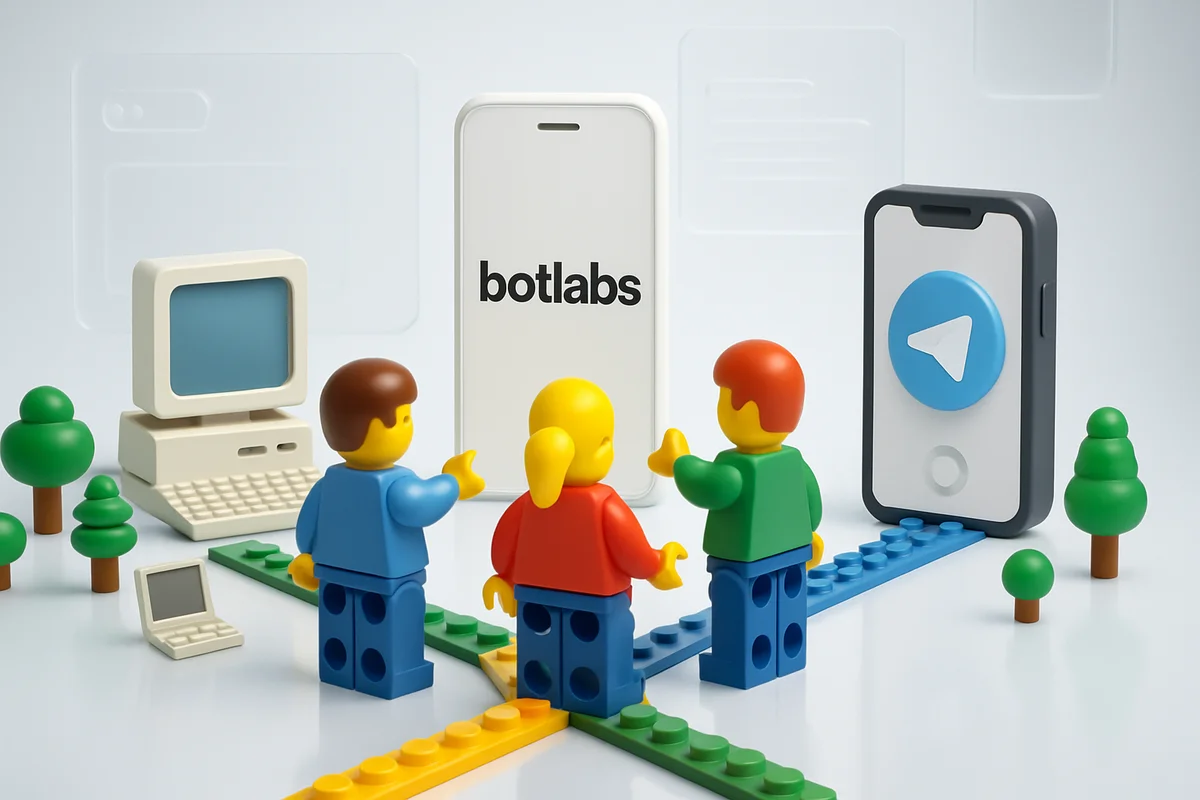
As digital transformation accelerates, entrepreneurs face the crucial question: what is the optimal channel to bring your product to market? Should you launch a classic website, develop a native mobile app, or leverage the innovative Telegram Mini App platform? At BotLabs Agency, we have helped 300+ clients navigate these choices, drawing from practical experience and deep industry insights.
This guide will walk you through the factors you must weigh, illustrated with practical examples and actionable advice. Whether you run a startup or an established business, these recommendations will help you make a sound, market-driven decision and avoid costly pitfalls.
Understanding User Habits: Why Familiarity Matters
Human habits are powerful. Users tend to look for solutions where they already are. For instance, in the urban mobility sector, most customers are accustomed to using Uber, Lyft, or local ride-hailing apps. If your competitor offers a mobile app and your customers are already accustomed to finding and servicing their needs here, launching solely a Telegram Mini App may not maximize uptake.
Takeaway: Observe what’s standard in your market niche. If all your competitors use websites or mobile apps, this is a strong signal you should do the same—unless you’re offering a disruptive, radically new solution.
Example:
A new cab-hailing startup wanted to stand out by launching only a Telegram Mini App. However, their target users were used to searching for such services in the App Store or Google Play. The adoption rate was poor until they rolled out a standard mobile app alongside the mini app.
Jobs to Be Done: Designing for Real User Needs
Forget about your platform preference for a moment. Users “hire” a digital product to solve their problems—nothing more. They don’t care about your technology, only their goal. Apply the "jobs to be done" framework:
- Who is your user, and what context are they in?
- How stressful, urgent, or casual is their use case?
- What is the simplest experience that helps them achieve their goal?
Example:
If your product helps someone call a taxi during a storm while they’re balancing shopping bags, the app or webform must be frictionless. A Telegram Mini App could work here, as it requires minimal downloads and instant access. But if users expect robust features, GPS tracking, and regular use, a native app may be justified despite the greater effort required to download and onboard.
Actionable Tip: For simple, one-time interactions (surveys, single actions) consider lightweight platforms like Telegram Mini Apps or mobile-optimized websites. For regular, high-engagement usage, invest in a full-featured app.
Cognitive Load: Respecting Your User’s Time
Every extra click, download, or field to fill is a barrier between your customer and your product. Cognitive load refers to the cumulative effort a user must expend to access your service.
- Websites generally offer low friction: just click and go.
- Mobile apps require finding, downloading, and onboarding, which users only tolerate for high-value or frequently-used products.
- Telegram Mini Apps are highly accessible inside the Telegram interface, with almost no setup steps.
Actionable Tip: Honestly evaluate why a customer would jump through technical hoops to reach your service. Simplify the journey wherever possible.
Context and Frequency: Matching Platform to Use Case
How often will your user return? For one-off or infrequent needs, a website or Telegram Mini App is best. For daily or weekly engagement, a native app investment may be justified.
Examples:
- Internal CRM for office workers: A web platform is ideal; staff are at a computer, need big screens, and perform complex workflows.
- Photo-editing for social sharing: A mobile app makes sense if users will edit and post pictures repeatedly.
- Survey or newsletter sign-up: Keep it web or messenger-based for minimal barriers.
Market Awareness: Don’t Assume Everyone Knows the Platform
Tech entrepreneurs are often early adopters, excited by shiny new platforms. However, most of your users may not even know what a Telegram Mini App is. You might face a steep learning curve and extra marketing effort to educate your target audience versus simply launching on platforms everyone knows.
Actionable Tip: Research your audience's awareness and openness to new platforms. Conduct short surveys or interviews before choosing a novel channel.
Conclusion: Guided Digital Decisions with BotLabs
Choosing the right platform—website, native app, or Telegram Mini App—depends on your users' habits, the job they hire you for, cognitive friction, and your business context. There's no universal answer, but a user-centered approach and honest assessment of your market will set you on the right path.
Need help mapping this strategy to your product? Get a free consultation on chatbot and app development with BotLabs Agency, and see how our 300+ client cases can inform your next move. Don’t forget to browse our chatbot portfolio to spark ideas!

Need a chatbot for your business?
We automate your processes and boost sales.