AI Call Analytics for Sales Teams: How to Maximize Revenue with the Right Tools
Introduction: Why AI Call Analytics is a Gamechanger for Sales Teams
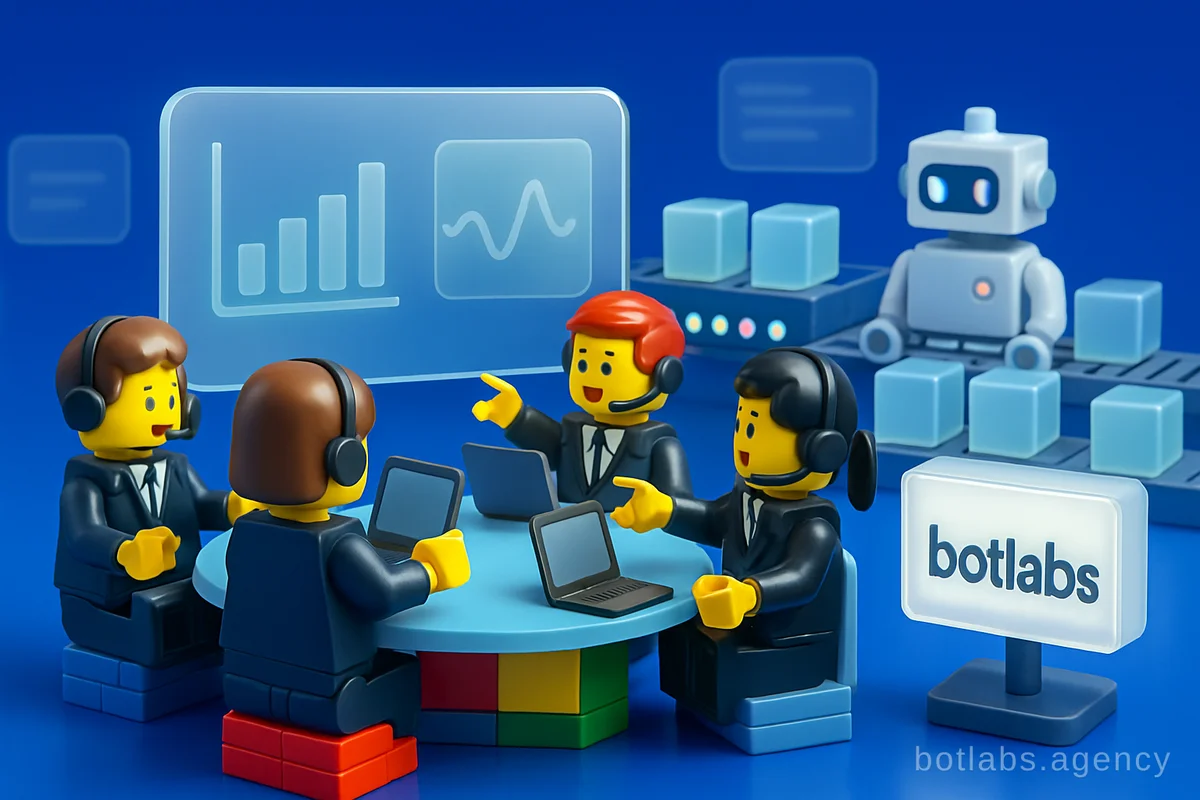
In 2026, the competitive edge in sales no longer belongs only to the most charismatic salesperson. It goes to teams that leverage data, automation, and AI to understand every customer interaction. Traditional call monitoring—manual listening and note-taking—covers less than 10% of conversations. That means missed opportunities, undetected mistakes, and intuition-based decisions. AI call analytics transforms this process, bringing systematic, 100% coverage and actionable insights to every sales call.
Tip: Manual call sampling leaves blind spots. AI ensures every call is analyzed, not just a select few.
What is AI Call Analytics and Why Does It Matter?
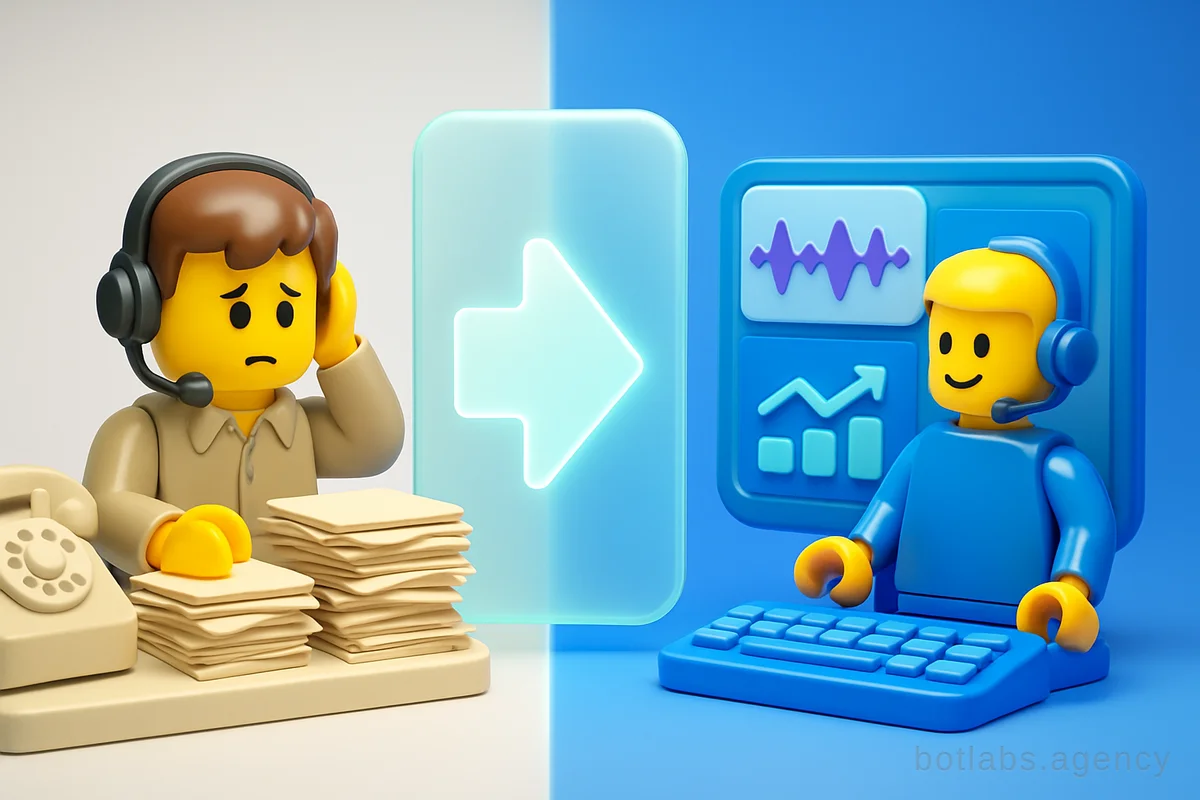
AI call analytics refers to the use of artificial intelligence to automatically record, transcribe, and analyze phone calls. Instead of a manager or QA team manually reviewing a fraction of interactions, AI processes every conversation, extracting key data points such as:
- Conversation structure
- Emotional tone and sentiment
- Script adherence
- Keywords, triggers, and objections
- Next-step agreements
The impact? Companies using systematic AI-powered call analysis see conversion rates increase by 5–86% (source: industry benchmarks). They quickly identify bottlenecks, coach teams based on real calls, and optimize sales scripts for better outcomes.
Core Features of Modern AI Call Analytics Tools
Not all AI tools are created equal. The best solutions combine powerful automation with flexibility and actionable reporting. Let’s break down the top features that matter most for sales teams:
| Feature | Description | Impact on Sales |
|---|---|---|
| 100% Call Coverage | Every call is analyzed, not just random samples | No lost insights or missed red flags |
| Automatic Transcription | Calls are turned into searchable text | Faster review and knowledge sharing |
| Sentiment & Emotion Analysis | AI detects positive, neutral, or negative tones, helping spot at-risk deals | Proactive coaching & customer retention |
| Script Adherence Checking | AI compares conversations to approved scripts | Ensures consistency, reveals coaching needs |
| Keyword & Trigger Detection | Finds phrases that signal intent, objections, or compliance issues | Real-time feedback for managers |
| CRM Integration | Call data and summaries automatically attach to leads and deals | Single source of truth, better follow-ups |
| Customizable Profiles | Adapt analysis for different teams, roles, or countries | Tailored insights, granular reporting |
Example: With tools like Fireflies.ai or Ringostat AI, sales managers no longer need to spend hours listening to random calls. The system highlights moments that require attention and provides summaries directly inside the CRM.
Real-World Benefits: From Hours Saved to Revenue Gained
AI-driven call analytics isn’t just about automation—it’s about measurable business value. Here are some tangible benefits companies report after implementation:
- Time Savings: Managers save 3–4 hours per week by replacing manual reviews with AI-powered summaries and transcriptions.
- Higher Conversion Rates: By analyzing every interaction, teams can spot and fix common sales blockers, leading to an increase in closed deals.
- Quality Assurance at Scale: Even teams handling thousands of calls weekly get objective, consistent quality control.
- Better Coaching: Use successful call recordings to onboard and train new hires more effectively.
- Personalization: AI detects emotional cues and specific needs, allowing tailored responses that improve customer trust.
Case Example: Automated Dealer Support Chatbot
Companies like KLEIBERIT have adopted AI chatbots for their B2B dealer networks, automating not just order processing but also support and product queries. With AI call analytics, they ensure every dealer interaction is logged, analyzed, and optimized (see the KLEIBERIT case study).
Integrating AI Call Analytics with Your CRM
Integration with CRM systems is a must for next-level sales automation. When your AI analytics feed call summaries, transcripts, and action items directly into your CRM:
- Every lead’s communication history is complete
- Follow-ups are timely and relevant
- Managers can track rep performance and customer satisfaction in one place
Tip: Choose platforms that offer webhook integrations or native CRM connectors to maximize insight and minimize manual data entry.
Top AI Tools Every Sales Manager Should Know
The AI landscape is evolving quickly. Here are the top tools that are making a difference for modern sales teams:
- Fireflies.ai: Automates call recording, transcription, tagging, and sentiment analysis. Integrates with most CRMs.
- Ringostat AI: Provides deep call analysis, script compliance checks, and multilingual support for global sales teams.
- Salesforce Einstein: Embedded AI for CRM, forecasting deal success, and suggesting next best actions.
- Drift AI: Conversational AI chatbots for lead qualification and meeting booking.
- Make.com: No-code platform to automate post-call workflows, notifications, and data syncing.
Table: Comparing Popular AI Call Analytics Tools
| Tool | Core Functionality | Best For | Integration Level |
|---|---|---|---|
| Fireflies.ai | Transcription, Analysis | Sales/Support Teams | High (CRM, Calendar, etc.) |
| Ringostat AI | Call Analytics, Sentiment, CRM | Multilingual, High-Volume Teams | Deep (Webhooks, APIs) |
| Salesforce Ein. | Forecasting, Next Actions | Enterprise CRM Users | Native in Salesforce |
| Drift AI | Website Chatbots, Qualification | Marketing/Sales | CRM, Calendars |
| Make.com | Automation/Integration | Custom Workflows | Hundreds of apps |
AI Call Analytics Implementation: Step-by-Step
Thinking of deploying AI for call analytics in your sales department? Here’s how to go about it:
- Audit Your Current Process: Identify gaps in call review, coaching, and quality control.
- Define Success Metrics: Set clear KPIs—conversion rate, average call duration, NPS, time saved, etc.
- Select Your Tools: Match solutions to your company size, sales volume, and tech stack.
- Integrate with CRM: Ensure every insight is actionable and tracked.
- Train Your Team: Show managers how to use insights for coaching and continuous improvement.
- Iterate and Optimize: Regularly review analytics and adjust scripts/processes accordingly.
Tip: Start with a pilot team or one sales region before rolling out company-wide.
Overcoming Common Challenges
While AI call analytics unlocks major benefits, some organizations face hurdles such as:
- Change management: Resistance from reps used to manual methods
- Data privacy: Ensure compliance with call recording/transcription laws
- Integration complexity: Choose tools with robust support and documentation
Callout: The future of sales is data-driven. Teams that embrace AI analytics now will outpace their competitors in both revenue and customer loyalty.
Q1: Can AI call analytics replace human sales managers?
A: No. AI supplements human expertise by automating routine analysis and surfacing insights, but real coaching and customer relationships still require people.
Q2: How quickly can a sales team see ROI from AI call analytics?
A: Many see measurable improvements within weeks—especially in time saved and conversion rates.
Q3: Is AI call analytics suitable for small businesses?
A: Yes, many AI tools offer scalable pricing and can bring big-enterprise benefits to small teams.
For more insights on business automation, visit our Blog or explore how AI chatbots are transforming business in 2026.

Need a chatbot for your business?
We automate your processes and boost sales.