AI Assistants for Small Business: Practical Tools, Real Results, and the 2026 Playbook
Why AI Assistants Matter for Small Business in 2026
In the fast-evolving landscape of 2026, small business owners face increasing pressure to deliver more with less. Whether you’re running a boutique retail shop, a digital startup, or a local service, you likely juggle marketing, customer support, sales, and day-to-day operations. Enter AI assistants: not just a tech trend, but now a practical, ROI-driven necessity for small businesses everywhere.
Tip: AI assistants today go beyond simple automation—think of them as your tireless, always-on business partners, freeing up your time for strategic growth.
According to McKinsey, SMBs that adopt AI tools see up to a 20% rise in operational efficiency within the first year. Let’s explore how AI assistants are transforming small business operations, and which tools deliver the best value in 2026.
The Key Benefits of AI Assistants for Small Business
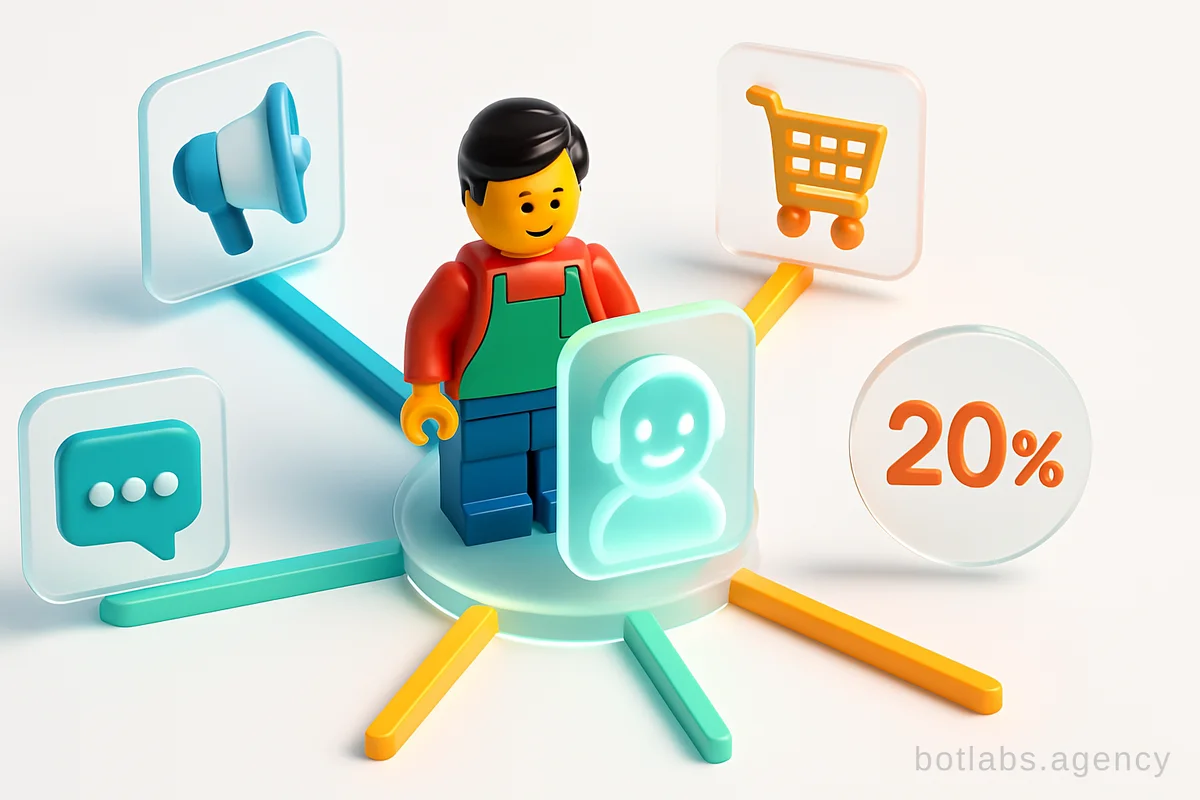
AI assistants provide SMBs with competitive advantages once reserved for industry giants. Here’s why modern small businesses are embracing AI-powered solutions:
- Automate Repetitive Tasks: From scheduling to follow-ups, AI takes over routine work—no more manual data entry or endless email replies.
- Enhance Customer Experience: Instant, 24/7 responses via chatbots and personalized marketing drive higher satisfaction and retention.
- Cut Costs, Not Quality: AI assistants perform tasks that would otherwise require hiring additional staff, optimizing operational budgets.
- Accelerate Decision-Making: Real-time analytics help you spot trends and make smarter, faster business choices.
- Scale Flexibly: As your business grows, AI assistants adapt—no need to expand your headcount proportionally.
Real-World Example: Retailers using AI chatbots, like the loyalty chatbot for UA Made retail network, have seen repeat purchases jump by 34% after implementation.
Most Impactful AI Assistant Use Cases for Small Business
Let’s break down the main areas where AI assistants are making a tangible difference:
1. Customer Service Automation
AI-powered chatbots now handle the bulk of common queries: order status, product info, appointment bookings, and more. They respond instantly—reducing wait times and increasing customer satisfaction. Advanced bots can escalate complex issues to human staff, blending automation with a personal touch.
- Example: AstraDent’s AI chatbot automates appointment booking and answers FAQs, freeing staff to focus on in-person patient care.
| Benefit | Traditional Support | AI-Powered Chatbot |
|---|---|---|
| Availability | 8/5 or 12/7 | 24/7 |
| Response Time | Minutes to hours | Seconds |
| Cost per Interaction | $1-2 | $0.05-0.15 |
| Scalability | Limited by staff | Instantly scalable |
Tip: Use AI chatbots for first-line support, and integrate with your CRM for seamless handover to live agents when needed.
2. AI-Driven Marketing and Content Creation
AI assistants excel at generating engaging marketing copy, social media posts, email campaigns, and even ad creatives tailored to your audience. With AI’s data-driven insights, you can personalize offers and schedule posts for optimal timing.
- Practical Tools:
- ChatGPT for quick content drafts and campaign ideation
- Canva’s Magic Write for combining design and AI-powered copy
- GetResponse AI Email Generator for smart, segmented newsletters
Callout:
AI-powered marketing cuts content creation costs by up to 40%, while improving personalization and engagement metrics.
3. Business Data Analytics and Forecasting
Modern AI assistants synthesize huge amounts of sales, customer, and financial data to reveal actionable insights. Instead of sifting through spreadsheets, get AI-generated reports and predictions for demand, inventory, or campaign performance.
- Example: DreamHost AI Business Advisor provides tailored recommendations to optimize your strategy, from SEO to sales.
4. Finance and Accounting Automation
AI tools now automate invoicing, expense tracking, payroll, and even tax calculations. This reduces manual errors and ensures timely payments, compliance, and accurate financial planning.
- Practical Tools:
- QuickBooks with AI-powered categorization
- Xero’s automated reconciliation
- Notta for transcribing and summarizing finance meetings
5. Project and Workflow Management
AI-enhanced platforms like ClickUp and Trello keep teams organized, automate reminders, and help prioritize tasks. They integrate with calendars, email, and cloud storage, centralizing all project activity.
Tip: Use ClickUp AI to summarize long documents, generate new project ideas, and translate team communications instantly.
Choosing the Right AI Assistant: A Small Business Checklist
With a crowded AI tool market, how do you pick the right solution? Use this practical checklist to guide your decision:
- Define Your Pain Points: What’s eating up most of your time—customer support, marketing, admin?
- Prioritize Integration: Does the AI assistant connect with your existing tools (CRM, email, website)?
- Check Usability: Is the interface intuitive for you and your team?
- Test Scalability: Can the tool handle more volume as your business grows?
- Calculate ROI: What cost savings or revenue boost can you expect?
| Step | Questions to Ask |
|---|---|
| Pain Points | Where do I lose the most time or money? |
| Integration | Will it work with my current systems? |
| Usability | Can my team use it without constant training? |
| Scalability | Will it grow with my business? |
| ROI | How soon will it pay for itself? |
Proven Results: AI Assistants in Action
Let’s look at some real-world examples demonstrating the impact of AI assistants in diverse small business sectors:
- Retail: The UA Made loyalty chatbot delivered a 34% increase in repeat purchases by automating rewards, feedback, and communication.
- Healthcare: AstraDent’s AI chatbot reduced staff workload by automating appointment bookings and reminders, improving patient satisfaction and retention.
- B2B Support: The KLEIBERIT dealer support chatbot streamlined product information search and order processing, reducing response times and manual errors.
- Hospitality: Restaurant chatbots now handle reservations, menu browsing, and feedback collection, freeing staff for high-touch service. See more examples in our case studies.
Practical Tips for AI Implementation Success
Deploying AI assistants doesn’t have to be overwhelming. Here’s how to get it right:
- Start Small: Choose one business process to automate first (e.g., customer support).
- Involve Your Team: Train staff on how to use and supervise the AI tool.
- Monitor and Optimize: Regularly review performance data and customer feedback.
- Stay Compliant: Ensure your AI tool follows relevant data protection regulations.
- Partner with Experts: Consider working with an agency that specializes in AI automation for SMBs.
Tip: Explore BotLabs Agency for end-to-end chatbot development, including post-launch support and tailored solutions for your industry.
Comparative Table: Popular AI Assistants for Small Business
| Tool / Use Case | Core Function | Best For | Cost Range (2026) |
|---|---|---|---|
| ChatGPT | Content/idea generation | Marketing, comms | $20-50/mo |
| Canva Magic Write | Design + copy | Visual content, SMM | $15-30/mo |
| ClickUp AI | Task/project automation | Workflow, PM | $10-40/mo |
| Notta | Meeting transcription | Sales, admin, HR | $8-25/mo |
| SendPulse | Multichannel chatbots | Customer support, e-commerce | $15-60/mo |
| QuickBooks AI | Finances, accounting | Invoicing, payroll | $20-80/mo |
Future Trends: What’s Next for AI Assistants in SMBs?
AI assistants are becoming more intuitive, with natural language processing, voice recognition, and predictive analytics at their core. In 2026, expect:
- Voice-activated assistants for hands-free operations
- Seamless omnichannel support (web, social, messengers)
- AI-driven sales enablement and coaching
- Real-time, actionable insights from all business data
Small businesses that embrace these tools early will outpace competitors, deliver exceptional experiences, and maximize profitability.
Q1: Can AI assistants replace human employees?
A: No, AI assistants are designed to augment your team, automating repetitive tasks and empowering staff to focus on higher-value work.
Q2: Are AI assistants expensive to implement?
A: Most AI tools are subscription-based and cost a fraction of hiring additional staff. The ROI is typically realized within months.
Q3: How do I ensure my customers get a personal touch with AI automation?
A: Use AI assistants for routine queries and hand over complex cases to human agents. Personalization features help maintain a human feel.
---
Ready to transform your small business with AI? Get a free chatbot consultation or view our chatbot portfolio for more inspiration.

Need a chatbot for your business?
We automate your processes and boost sales.