Chatbot for Logistics Companies: 2026 Guide to Efficiency, Automation, and Customer Satisfaction
Why Logistics Companies Need Chatbots in 2026
The logistics and supply chain sector faces relentless pressure for speed, efficiency, and transparency. In 2026, more than 70% of logistics firms have integrated chatbots into their digital workflows. As global shipping volumes rise and customer expectations soar, chatbots have become essential for companies eager to automate communication, streamline order processing, and deliver 24/7 customer support without inflating headcount.
The Numbers Behind Chatbot Adoption
- Over 80% of customer interactions on logistics company websites and apps are now handled by chatbots (Statista, 2025).
- The global chatbot market for logistics is projected to reach $1.25 billion by 2026.
- Companies report order processing times reduced from hours to minutes, with major cost savings on manual labor.
Common Challenges Solved by Logistics Chatbots
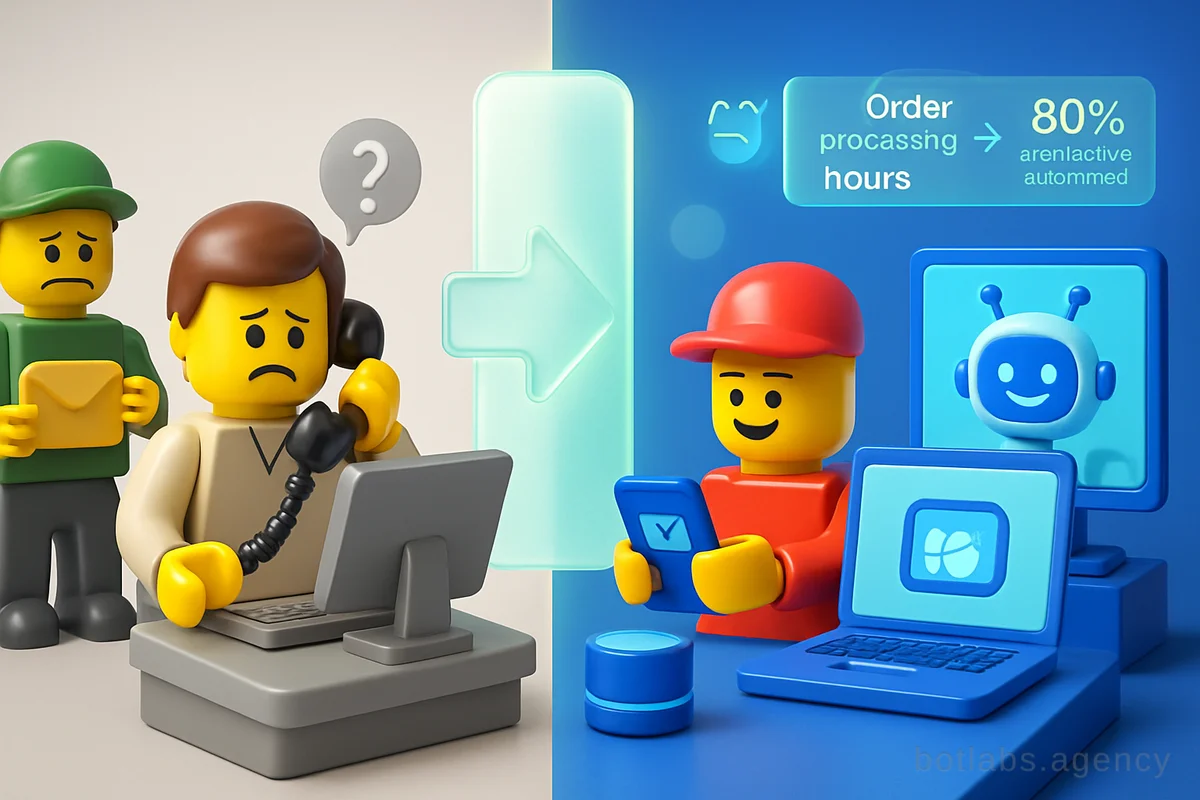
Logistics operations are complex and time-sensitive. Companies deploying chatbots consistently see the following problems eliminated:
| Traditional Problem | Chatbot Solution |
|---|---|
| Slow responses from managers | Instant automated replies 24/7 |
| Manual order entry | Seamless, guided order creation |
| Lack of real-time price/tariff info | Live logistics calculator in chat |
| Friction in tracking and support | Self-service tracking and FAQ |
| Communication delays | Real-time messaging in familiar apps |
Tip: Integrate your chatbot with your CRM or order management system for fully automated processing and tracking.
How a Logistics Chatbot Works: Practical Scenarios
Picture a customer needing to ship a 200kg electronics consignment from China to Europe. Traditionally, this would involve emails, phone calls, and long wait times. With a modern chatbot for logistics companies:
- The customer opens Telegram, clicks the company's chatbot, and selects "Calculate delivery cost".
- The bot asks for origin, destination, cargo type, weight, and shipping method.
- Within seconds, the bot returns an estimated price (e.g., $2,500 for air freight).
- With one tap, the customer can submit the order, track its status, or connect to a live manager for special requests.
This process, once stretched over hours, now takes minutes. For example, a business that previously waited 2–3 hours for a quote now gets it in under five minutes, speeding up decision-making and improving customer satisfaction.
Must-Have Features of a Logistics Chatbot
A robust chatbot for logistics companies should offer:
- Automated Order Creation: Users can submit shipping requests without manual paperwork.
- Dynamic Logistics Calculator: Instant price estimates based on cargo details and route.
- Order Tracking: Enter a tracking number to see real-time shipment status.
- Branch Locator: Find the nearest pickup/drop-off locations.
- Live Manager Handoff: Seamlessly transfer complex queries to a human agent.
- Account and Document Management: Update account info, view past orders, and generate shipping documents.
- Push Notifications: Automated updates on shipment status and delivery milestones.
- Multi-Platform Access: Work in Telegram, Viber, WhatsApp, or directly on the website.
Tip: Many logistics chatbots now integrate with AI voice assistants (like Google Assistant or Siri), enabling hands-free tracking and order updates.
Key Benefits: ROI and Business Impact
1. Cost Savings
Chatbots reduce the need for manual data entry, repetitive Q&A, and after-hours support, freeing staff for higher-value work. Businesses report up to 30% lower customer service costs after chatbot adoption.
2. Customer Satisfaction
24/7 instant responses, transparent pricing, and real-time tracking drive up NPS scores and retention rates.
3. Faster Order Processing
Automated workflows mean orders are captured, confirmed, and routed much faster, cutting delays and boosting throughput.
4. Improved Staff Productivity
By automating repetitive tasks (order entry, status updates), staff can focus on exceptions, freight management, and customer relationships.
Real-World Examples: Chatbots in Logistics
SAT Transport Company: A Multi-Channel Chatbot
SAT, a leading transport company, introduced a chatbot for Viber and Telegram, empowering customers to:
- Instantly locate branches
- Track shipments in real time
- Submit pickup/delivery orders
- Manage business accounts
- Request cooperation or support
This approach eliminated call center bottlenecks and provided a user-friendly alternative to web forms and phone calls.
B2B Dealer Support Chatbot: KLEIBERIT Case Study
In the B2B sector, companies like KLEIBERIT leveraged chatbots to automate dealer support, product specification queries, and order processing. By integrating the chatbot with their CRM, they achieved faster response times and streamlined the order-to-cash cycle. Read the full KLEIBERIT case study.
How to Launch a Chatbot for Your Logistics Company
Implementing a chatbot is straightforward:
- Choose Your Platform: Decide whether to deploy on Telegram, Viber, WhatsApp, or your website. Compare platforms here.
- List Your Key Functions: Start with core features—order creation, tracking, calculator, live support.
- Integrate Systems: Connect the chatbot to your CRM, order management, and notification systems.
- Test and Launch: Ensure the chatbot can handle real-world queries and escalate complex issues to managers.
- Monitor and Optimize: Use analytics to refine scripts, add new features, and maximize ROI.
Tip: Partner with a proven chatbot development agency for logistics automation. Get a free consultation from BotLabs Agency.
Comparative Table: Manual vs. Chatbot-Driven Logistics Workflow
| Workflow Step | Manual Process | Chatbot-Driven |
|---|---|---|
| Quote Request | Email/Phone (2–3 hrs) | Chatbot (1–5 min) |
| Order Entry | Manual forms | Guided chat flow |
| Tracking/Status Updates | Website/call center | Instant in chat |
| Document Generation | Staff-generated | Automated in chat |
| Customer Support | Office hours only | 24/7 via chatbot |
Practical Tips for Maximizing Chatbot ROI
- Map all repetitive queries and automate them first.
- Integrate with existing logistics software for seamless data flow.
- Offer both automation and easy access to live agents for complex cases.
- Regularly update your chatbot’s knowledge base based on real customer interactions.
- Promote your chatbot across channels (email, website, SMS, messengers).
Q1: Can a chatbot handle complex shipping requests or only simple queries?
A: Advanced chatbots can guide users through multi-step booking, handle special requirements, and escalate to a manager if needed.
Q2: How do I ensure data privacy and compliance?
A: Choose a chatbot solution that uses encrypted messaging platforms, complies with GDPR, and never shares customer data with third parties.
Q3: What is the ROI timeline for a logistics chatbot?
A: Most companies see ROI within 3–6 months through reduced staffing costs and improved customer retention.
---
Ready to automate your logistics? Get a free consultation with BotLabs Agency or explore our chatbot portfolio.

Need a chatbot for your business?
We automate your processes and boost sales.