Scaling a Startup in 2026: Actionable Strategies, Pitfalls, and a Roadmap for Sustainable Growth
Introduction: The Real Meaning of Scaling a Startup
Scaling a startup is more than just fueling growth—it's about building a resilient, efficient business that can thrive in changing markets. In 2026, with increased competition and tighter funding, founders face unique challenges when moving from early traction to sustainable scale. This guide synthesizes industry best practices, actionable steps, and lessons learned from real-world startup journeys to help you navigate the scaling process with confidence.
When Is Your Startup Ready to Scale?
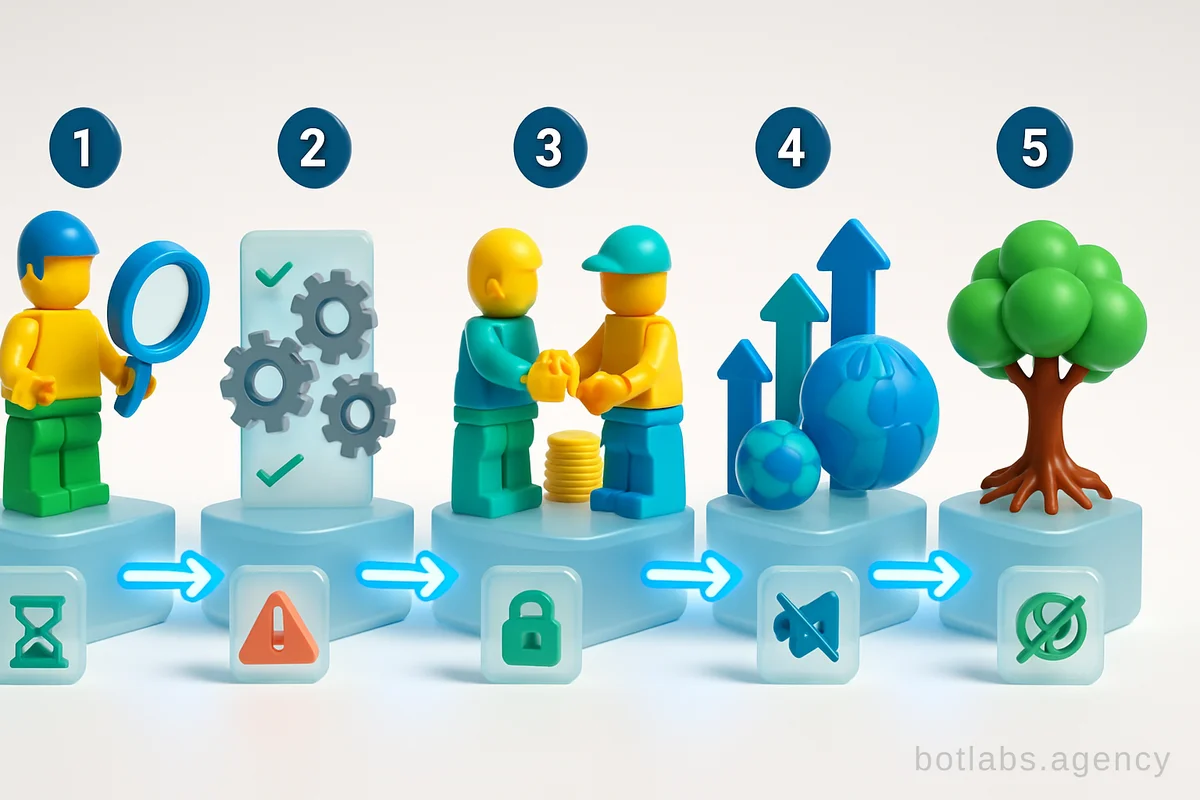
Timing is everything. Scaling too early can sink even the most promising ventures—Harvard research shows a 40% higher failure rate for startups scaling in their first year. So, how do you know when it’s time?
Readiness Checklist:
- Product-Market Fit: Customers love your product, buy repeatedly, and refer others.
- Steady Revenue & Demand: Revenue is consistent and growing, not just a one-off spike.
- Scalable Model: Your processes, tech, and team can handle 2x–10x volume without collapsing.
- Competitive Advantage: Your edge in the market is clear and defensible.
- Operational Maturity: Systems, SOPs, and infrastructure exist to support growth.
Tip: Before scaling, gather unbiased feedback from mentors or advisors, and stress-test your business for weaknesses.
Key Areas of Startup Scaling
Scaling impacts every facet of your business. Understanding the main types helps you prioritize:
| Type | Focus | Example |
|---|---|---|
| Revenue Scaling | Growing revenue via new offers/markets | Launching a loyalty program like UA Made’s chatbot to boost repeat sales |
| Customer Scaling | Expanding and retaining your user base | Entering new geographies or segments |
| Headcount Scaling | Hiring to support business needs | Building a specialized sales or tech team |
| Operational Scaling | Streamlining processes, logistics | Automating routine tasks with chatbots |
| Infrastructure | Upgrading tech and systems | Migrating to scalable cloud infrastructure |
Stages of a Startup’s Growth Journey
Startups don’t scale overnight. Most follow these phases:
- Ideation & Validation: MVP launched, early feedback collected.
- Seed & Early Stage: Core team built, first customers acquired, business model proven.
- Growth Stage: Operations expand, new markets or products launched.
- Expansion Stage: Entering new regions, scaling tech and headcount.
- Maturity: Operations optimized, focus shifts to efficiency and defending market position.
Case Example: KLEIBERIT’s B2B chatbot illustrates expansion-stage scaling—automating dealer support and order processing for a global network.
Step-by-Step Guide to Scaling Your Startup
Here’s a proven roadmap to move from startup to scale-up:
1. Assess Your Readiness
- Review key metrics: revenue growth, customer retention, gross margin.
- Validate infrastructure: Can your tech and team handle a 2x–5x surge?
- Get outside opinions: Advisors can spot blind spots.
2. Build a World-Class Team
- Identify skill gaps and hire for both technical and leadership roles.
- Invest in onboarding and culture to prevent dilution as you grow.
- Avoid over-hiring—scale hiring with demand.
3. Optimize Processes and Automate
- Streamline operations using automation (e.g., chatbots for support or sales).
- Document SOPs to ensure consistency as the team grows.
- Invest in scalable platforms (cloud, CRM, analytics tools).
4. Secure Sustainable Funding
- Choose funding sources wisely: VC, angels, or strategic partnerships.
- Build detailed budgets and forecasts—cash flow is king during scaling.
- Track burn rate and runway closely.
5. Expand Strategically
- Prioritize markets or product lines with the highest ROI.
- Test before going all-in; pilot new initiatives in smaller segments.
- Use partnerships or channel sales to accelerate market entry.
6. Monitor, Measure, and Iterate
- Set clear KPIs: revenue, churn, NPS, cost per acquisition, etc.
- Hold regular reviews to catch problems early—adapt quickly.
- Celebrate wins, but scrutinize failures for learning.
Common Pitfalls and Warning Signs
Scaling is risky—watch for these red flags:
- Operational Overload: Mistakes rise, team is overwhelmed, delivery times slip.
- Cash Flow Crunch: Scaling often means front-loaded costs; watch for runaway spending.
- Customer Churn: Service or quality dips can drive loyal users away.
- Team Disorganization: Rapid hiring without structure can kill culture and productivity.
Tip: If you see more than one warning sign, pause aggressive scaling and address root causes first.
Real-World Scaling Tactics: Chatbots as a Growth Lever
Automation—especially with AI-powered chatbots—can be a startup’s best friend during scaling. Consider these examples:
- UA Made’s loyalty chatbot drove a 34% increase in repeat purchases by automating customer engagement.
- AstraDent scaled patient support, booking, and reminders, freeing up staff for high-value work.
- Chatbots for restaurants streamlined bookings and orders, supporting rapid market expansion.
| Startup | Scaling Challenge | Chatbot Solution | Result |
|---|---|---|---|
| UA Made | Drive repeat purchases | Loyalty chatbot, automated rewards | +34% repeat sales |
| AstraDent | Manage appointments | AI bot for bookings, reminders, FAQ | Higher efficiency |
| Fitness Club | Client retention | Automated class booking and membership support | Improved loyalty |
Scaling in 2026: Navigating Today’s Challenges
- Funding Environment: Global startup funding in 2024 was $314B, up from 2023 but still below 2021’s peak. Founders must do more with less—capital efficiency is critical.
- Competition: Crowded markets demand sharper differentiation and operational excellence.
- Talent Shortages: Prioritize culture and flexible work to attract top talent.
- Regulation & Compliance: Build compliant systems from day one to avoid scale-stage headaches.
Practical Tips for Sustainable Scaling
Tip: Build for scale from the start—even as an MVP. Modular architecture, documented processes, and future-proof tech make scaling easier later.
- Keep customer focus as you grow—high satisfaction fuels organic expansion.
- Automate wherever possible: Use chatbots, CRM, and analytics to reduce manual work.
- Stay agile: Be ready to pivot if key metrics slip or market dynamics shift.
Conclusion: The Key to Sustainable Startup Scaling
Scaling a startup is a marathon, not a sprint. Success comes from timing, strategic expansion, disciplined execution, and a relentless focus on both customers and operational excellence. By learning from others, leveraging automation, and watching for common pitfalls, you can guide your startup to sustainable growth—even in the demanding landscape of 2026.
For more in-depth guides, visit the BotLabs Agency Blog or explore our case studies to see scaling in action.
Q1: What’s the difference between growth and scaling in startups?
A: Growth is about increasing revenue or users, often with a direct increase in costs. Scaling means increasing output without a proportional increase in input—achieving more with less.
Q2: How can automation help with scaling?
A: Automation (e.g., chatbots) streamlines repetitive tasks, reduces errors, and enables startups to handle surges in demand without ballooning headcount or costs. See our chatbot case studies for real examples.
Q3: What KPIs should I track during scaling?
A: Key KPIs include revenue growth, churn rate, NPS, customer acquisition cost (CAC), gross margin, and operational efficiency metrics. Regular review helps you course-correct quickly.

Need a chatbot for your business?
We automate your processes and boost sales.