Chatbot for Medical Clinics in 2026: Automating Patient Care and Clinic Operations
The Evolution of Medical Clinic Chatbots in 2026
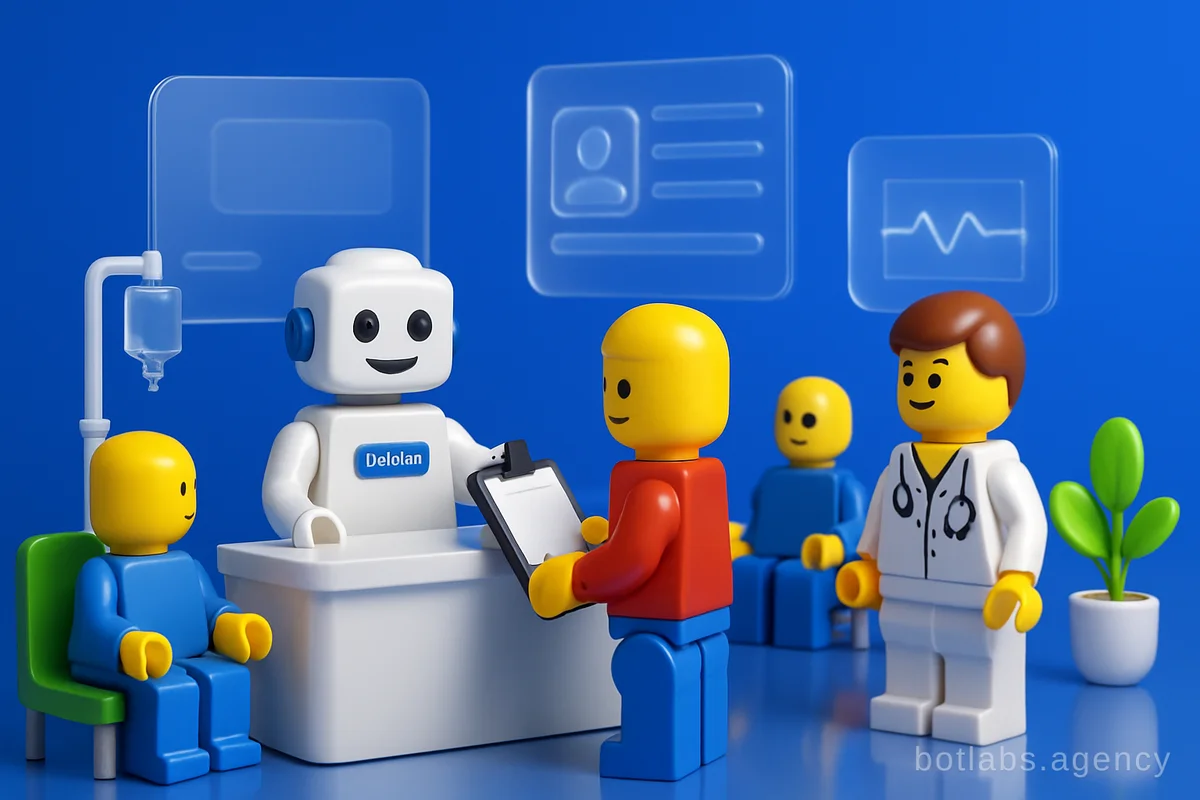
Over the past decade, healthcare has undergone a radical digital transformation. One of the most significant accelerators of this change is the adoption of chatbots tailored for medical clinics. These AI-powered assistants have evolved from basic FAQ responders to comprehensive digital receptionists, capable of booking appointments, sending reminders, collecting feedback, and integrating seamlessly with clinic CRMs. In 2026, a chatbot for medical clinic is not a futuristic luxury—it’s a core operational asset that drives patient satisfaction and streamlines clinic workflows.
Tip: Start with a clear business goal—reduce administrative workload, improve patient engagement, or enable 24/7 service. This focus will shape your chatbot’s feature set.
Why Clinics Are Embracing Chatbots: Key Benefits
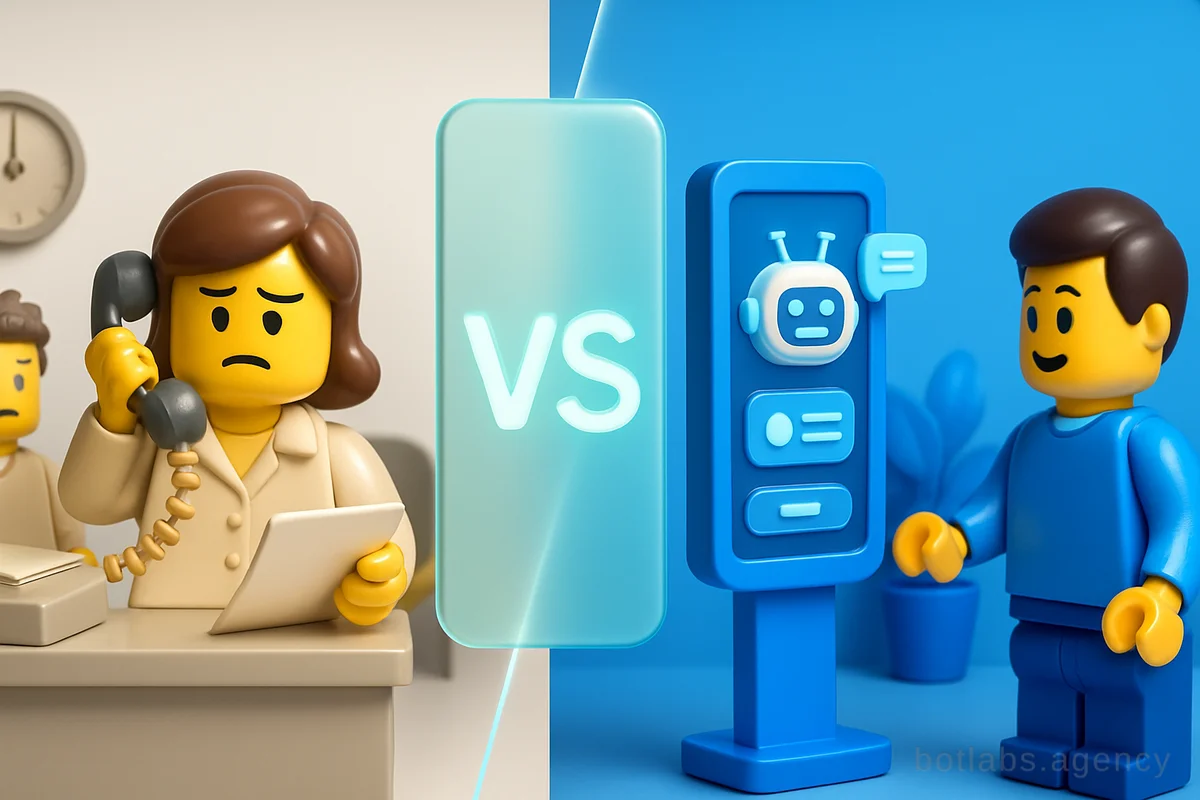
Medical clinics face mounting pressure to deliver efficient, patient-centric care while optimizing resources. Chatbots provide tangible solutions to these challenges:
- 24/7 Patient Access: Patients can book appointments, check schedules, or get information any time, even outside office hours
- Reduced Staff Workload: Routine inquiries and appointment management are automated, allowing staff to focus on complex cases
- Error Minimization: Automated reminders reduce no-shows and scheduling mistakes
- Cost Savings: Lower costs on call centers, SMS notifications, and manual administrative work
- Improved Patient Experience: Fast responses, transparent processes, and the ability to provide feedback foster trust
- Data-Driven Decisions: Chatbots collect structured data for analysis, supporting better management decisions
Take the AstraDent Case Study as an example: implementing an AI chatbot led to automated appointment booking, instant FAQ responses, and timely patient reminders, significantly improving operational efficiency and satisfaction.
| Benefit | Impact Example |
|---|---|
| 24/7 availability | Patients book at night/weekends |
| Staff workload reduced | 40% fewer repetitive calls |
| Cost savings | Up to $2,000/month saved on call center operations |
| No-show reduction | 30% fewer missed appointments due to automated reminders |
| Patient satisfaction | 90% positive feedback on chatbot support experience |
Core Features of a Medical Clinic Chatbot
A modern medical chatbot does far more than answer basic questions. Leading solutions, such as those deployed by BotLabs Agency, commonly include:
- Appointment Booking & Management: Patients can schedule, reschedule, or cancel visits directly through the chatbot interface.
- Automated Reminders: The system sends reminders before appointments, with options to confirm or cancel. Some advanced bots even support reminders for family members.
- Integrated CRM Synchronization: Real-time integration with clinic management systems ensures up-to-date schedules, patient data, and minimizes double bookings.
- Feedback Collection: After a visit, the bot prompts patients for feedback, enabling clinics to monitor service quality and address concerns proactively.
- Multichannel Support: Bots can operate on Telegram, Viber, WhatsApp, and even as web widgets, reaching patients on their preferred platforms.
- FAQ and Triage: Patients get instant answers to common questions and can be routed to live operators for complex issues.
- Lab Results & Notifications: Automated alerts for lab results, vaccination schedules, or when preferred doctors become available.
- Multi-Patient Management: Allowing one user (e.g. a parent) to manage appointments for multiple family members.
Tip: Prioritize seamless data flow between your chatbot and existing clinic systems. API integration with your CRM is crucial for a frictionless patient journey.
Real-World Case Studies: Chatbots in Action
Let’s examine how medical chatbots deliver value in practice.
AstraDent Dental Clinic
- Challenge: Manual bookings and follow-ups led to missed appointments and high admin workload.
- Solution: Implemented a chatbot handling appointment scheduling, reminders, and FAQs.
- Result: 50% reduction in missed appointments, 24/7 patient access, and increased staff productivity.
Multi-Clinic Networks
In one prominent Ukrainian network, a Telegram chatbot automated appointments for family medicine, pediatric, and diagnostic services. Key features included:
- Easy selection of specialist and location
- Automated feedback collection after visits
- Price lists, clinic addresses, and vaccination info on demand
MedBot Marta
A pioneering medical chatbot, Marta, operates in Viber and Telegram, providing:
- Online doctor booking
- Appointment and vaccination reminders
- Notifications about lab results
- Service rating and direct chat with live operators
- FAQ support and patient rights education
Marta’s success highlights how social innovation and civic tech can improve health access and efficiency at scale.
Implementation Guide: Building a Chatbot for Your Medical Clinic
Deploying a chatbot requires careful planning and collaboration. Here’s a step-by-step approach:
- Define Objectives: Identify your clinic’s specific needs (e.g., reduce no-shows, save staff time, improve patient experience).
- Map Patient Journeys: Outline key interactions—booking, reminders, feedback, FAQ, lab notifications.
- Choose Platforms: Decide on channels (Telegram, Viber, WhatsApp, website widget) based on your patient demographics.
- Integrate with Clinic Systems: Ensure your bot connects to your CRM/EMR for real-time data and reminders.
- Design Conversational Flows: Create intuitive pathways for booking, info requests, and escalation to live agents.
- Implement Security & Compliance: Safeguard personal health data and comply with regulations.
- Test and Iterate: Pilot with staff and patients, gather feedback, and optimize flows.
- Promote and Educate: Inform patients about the bot’s capabilities and encourage adoption.
Tip: Start with an MVP—core booking and reminders—then expand features based on user feedback and operational needs.
Practical Tips for Maximizing Chatbot ROI
- Automate Frequent Tasks: Focus first on the highest-volume, repetitive queries.
- Enable Real Feedback Loops: Use post-visit surveys to identify service gaps and intervene quickly.
- Support Multilingual Patients: Add language options for accessibility.
- Monitor and Analyze: Track key metrics: bookings handled, no-shows reduced, average response times, and satisfaction scores.
- Continuous Improvement: Use analytics and feedback to refine scripts and add new features.
Table: Chatbot Capabilities vs. Traditional Reception
| Functionality | Chatbot | Traditional Reception |
|---|---|---|
| 24/7 Access | Yes | No |
| Real-Time Scheduling | Yes | Only in working hours |
| Automated Reminders | Yes | Manual, prone to errors |
| Cost Efficiency | High (after setup) | Ongoing salary costs |
| Scalability | Easy | Limited by staff availability |
Common Challenges and How to Address Them
- Integration Hurdles: Work with experienced vendors to connect your chatbot to clinic systems via APIs.
- Patient Adoption: Use clear communication, easy onboarding, and visible prompts across your clinic’s touchpoints.
- Security Concerns: Implement end-to-end encryption, secure authentication, and regular audits.
- Complex Queries: Allow escalation to human operators for non-standard or urgent issues.
Tip: Partner with agencies experienced in healthcare automation, such as BotLabs Agency, to ensure best practices and compliance.
The Future: AI-Driven Personalization and Voice Bots
Emerging trends point to even deeper automation and personalization. AI chatbots will soon:
- Offer symptom triage and suggest next steps
- Integrate voice-based interfaces for elderly or visually impaired patients
- Provide tailored health education and preventive care reminders
- Orchestrate multi-channel communication (chat, voice, email)
Clinics that embrace these innovations early will gain a significant edge in patient loyalty and operational agility.
Q1: How secure are medical chatbots?
A: When designed with healthcare-grade encryption and in compliance with data protection regulations, chatbots can securely handle patient data.
Q2: Can a chatbot integrate with our existing clinic CRM?
A: Yes, modern chatbots can connect via API to most mainstream CRMs, enabling real-time booking and data updates.
Q3: What is the typical implementation timeline?
A: Most clinics can launch a tailored chatbot within 4-6 weeks, depending on feature complexity and integration needs.
For more insights, visit the BotLabs Blog or explore the AstraDent Case Study for real-world results.

Need a chatbot for your business?
We automate your processes and boost sales.