Chatbots for Medical Centers: Automating Healthcare Services and Transforming Patient Experience in 2026
Introduction: The Rise of Chatbots in Healthcare
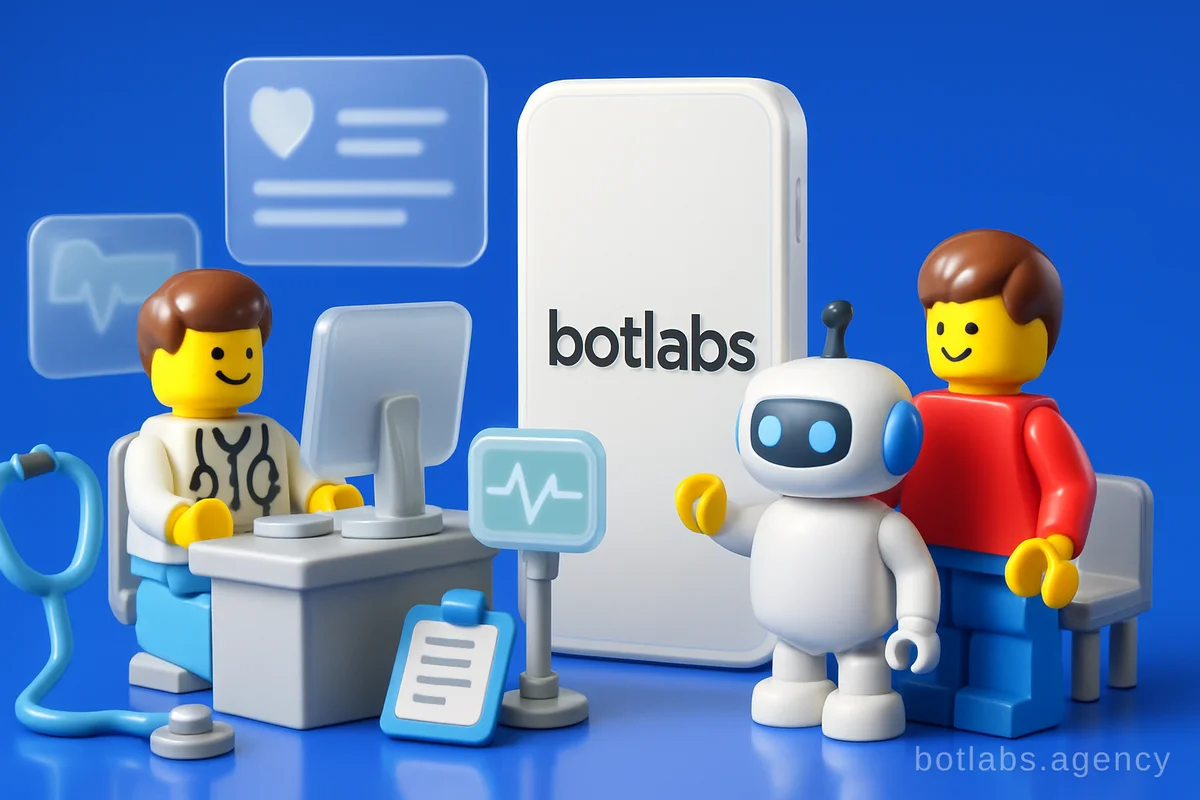
Healthcare is undergoing a digital renaissance in 2026, with chatbots at the forefront of innovation. Whether it's automating patient bookings, providing instant support, or streamlining clinic operations, chatbots have become a must-have tool for modern medical centers. But what makes a chatbot truly impactful in healthcare, and how can clinics ensure security, compliance, and a top-tier patient experience?
In this article, we’ll break down the latest trends, key features, and proven results from actual chatbot deployments, including AI-powered chatbots for medical clinics and AstraDent’s appointment automation.
Why Medical Centers Need Chatbots in 2026
Addressing Modern Patient Expectations
Today’s patients expect instant, convenient, and personalized service. With appointments, information, and support available at their fingertips, chatbots meet these rising expectations. Clinics leveraging chatbots report improved patient satisfaction, reduced administrative burdens, and increased loyalty.
Tip: Patients are more likely to return to clinics that offer seamless digital interactions. Automated reminders and self-service booking reduce no-shows and increase repeat visits.
Data Security and Compliance
Data privacy is non-negotiable in healthcare. Modern medical chatbots are built with robust encryption, secure cloud or on-premises storage, and compliance with healthcare regulations (like HIPAA or GDPR). This ensures sensitive health data is protected while still enabling automation.
Table: Key Security Features in Healthcare Chatbots
| Feature | Description |
|---|---|
| End-to-End Encryption | Protects all patient communications |
| Role-Based Access | Limits access to sensitive data |
| Audit Logs | Tracks all data access and actions |
| Data Residency Options | Store data in desired jurisdiction |
| Integration Controls | Secure connections to EMR/CRM systems |
Core Capabilities of Medical Chatbots
1. Appointment Booking and Management
Patients can book, reschedule, or cancel appointments right from their favorite messenger (like Telegram, Viber, or WhatsApp), 24/7, without waiting on phone lines. Automated reminders further reduce missed visits.
2. Patient Onboarding and Personalization
Chatbots guide new patients through registration, collect medical history, and offer tailored information based on user profiles. This not only saves time for staff but also sets the foundation for personalized care.
3. Automated Support and Triage
AI-powered bots answer FAQs, provide medication advice, and triage symptoms. Clinics like AstraDent use bots to handle routine questions, freeing up medical professionals for complex cases.
4. Notifications and Reminders
Automated notifications keep patients informed about upcoming visits, lab results, or health programs. Integration with EMR or CRM systems enables real-time updates.
5. Secure Document Management
Patients can upload, access, or request documents (prescriptions, referrals, test results) directly via the chatbot. This improves both patient autonomy and records management.
6. Telemedicine and Video Consultations
Modern chatbots can facilitate video consultations, allowing patients to connect with healthcare providers remotely. All interactions can be securely archived.
7. Payments and E-commerce
Some bots enable secure bill payments or product purchases (e.g., medication, supplements) via integrations with payment gateways like Google Pay and Apple Pay—directly within the chat interface.
Real-World Results: Case Studies from BotLabs Agency
Let’s look at how real clinics leverage chatbots to achieve measurable business outcomes.
AstraDent: Automated Appointment Booking and Patient Support
By implementing an AI chatbot, AstraDent automated appointment scheduling, FAQ responses, and patient reminders. Results included:
- 24/7 appointment booking without staff involvement
- 30% drop in no-shows due to automated reminders
- Reduced staff workload and increased operational efficiency
Read the full story: AstraDent Case Study
Automating Patient Scheduling and Triage
In this detailed healthcare chatbot case, a clinic introduced a bot for scheduling, triage, and support. Key impacts:
- Drastically reduced response times (from hours to seconds)
- Improved patient satisfaction due to instant answers
- Detailed analytics on patient queries and touchpoints
Building a Medical Chatbot: Best Practices
1. Start Simple, Scale with Integration
Many clinics begin with a standalone chatbot for basic tasks (FAQ, booking) and then integrate with EMR or CRM systems for advanced features like document management or automated notifications.
2. Omnichannel Presence
Meet patients where they are—whether on Telegram, Viber, WhatsApp, or your website. An omnichannel approach ensures no user is left behind.
3. Scenario-Based Automation
Design workflows and scenarios (e.g., new patient intake, follow-up reminders) using visual bot builders. This allows for quick updates and adaptation as your clinic’s needs evolve.
4. Human Handover
Always allow seamless escalation to a live operator for complex cases or emergencies. The best bots balance automation with the human touch.
Practical Implementation Tips
- Map Patient Journeys: Identify every touchpoint where a bot can add value, from initial inquiry to post-visit follow-up.
- Prioritize Security: Ensure end-to-end encryption, proper consent management, and compliance with all relevant regulations.
- Leverage Analytics: Use chatbot data to analyze patient needs, popular services, and operational bottlenecks.
- Iterate and Improve: Regularly update bot scripts and flows based on feedback and analytics.
Tip: Check out How to Create a Quality Chatbot with a Contractor for a step-by-step implementation guide.
Table: Key Chatbot Features for Medical Centers
| Feature | Impact |
|---|---|
| 24/7 Booking | Increased patient convenience |
| Automated FAQ | Reduced staff workload |
| EMR/CRM Integration | Accurate, real-time data |
| Document Upload/Download | Enhanced patient autonomy |
| Payment Integration | Streamlined billing |
| Multilingual Support | Broader accessibility |
| Video Consultations | Expanded telemedicine capabilities |
Enhancing Patient Loyalty and Marketing
Chatbots can be used for more than just automation—they’re powerful marketing and loyalty tools. For instance, notifications about promotions, new services, or wellness programs can drive repeat visits and increase lifetime patient value.
Tip: Consider integrating loyalty programs into your medical chatbot, similar to how retailers boost engagement with loyalty chatbots.
Callout: Industry Examples
- Dental clinics: Use chatbots to automate appointment bookings and send reminders, minimizing no-shows.
- Diagnostic labs: Allow patients to access results and schedule tests directly via chat.
- Multispecialty clinics: Use omnichannel bots for triage, document management, and targeted notifications.
Q1: Is a chatbot secure enough for sensitive medical data?
A1: Yes, provided your chatbot uses end-to-end encryption, secure authentication, and complies with regulations (HIPAA, GDPR). Always choose a provider with proven healthcare experience.
Q2: How quickly can a medical chatbot be launched?
A2: With a ready-made platform and clear requirements, clinics can launch a basic chatbot in 2-4 weeks, with the option to expand features over time.
Q3: Can chatbots replace human staff?
A3: Chatbots automate routine tasks and support staff but do not replace healthcare professionals. They enable staff to focus on complex or urgent cases.
---
For more expert insights, visit our FAQ or explore the Blog — BotLabs.

Need a chatbot for your business?
We automate your processes and boost sales.