Automation in Dentistry: The Future of Patient Scheduling and Clinic Management in 2026
Introduction: Why Automation Is Essential in Modern Dentistry
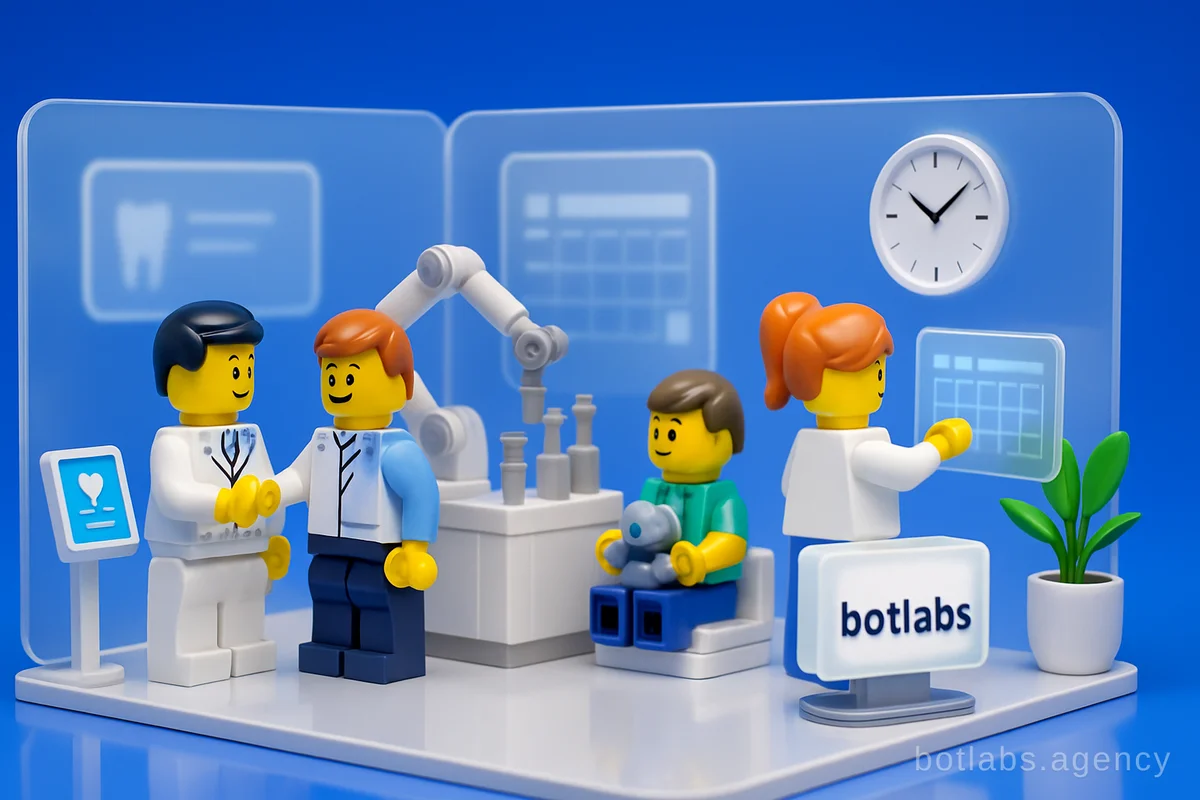
The dental industry in 2026 faces a dual challenge: delivering outstanding patient care while running an efficient, profitable clinic. Increasing patient expectations, complex treatments, and fierce market competition mean manual processes are no longer sustainable. Automation has become the backbone of successful dental practices, enabling clinics to streamline scheduling, manage resources, and deliver seamless patient experiences. This article explores how automation transforms dentistry—focusing on patient scheduling, CRM, inventory, analytics, and more, with real-world case studies and actionable insights.
The Core Benefits of Automation for Dental Clinics
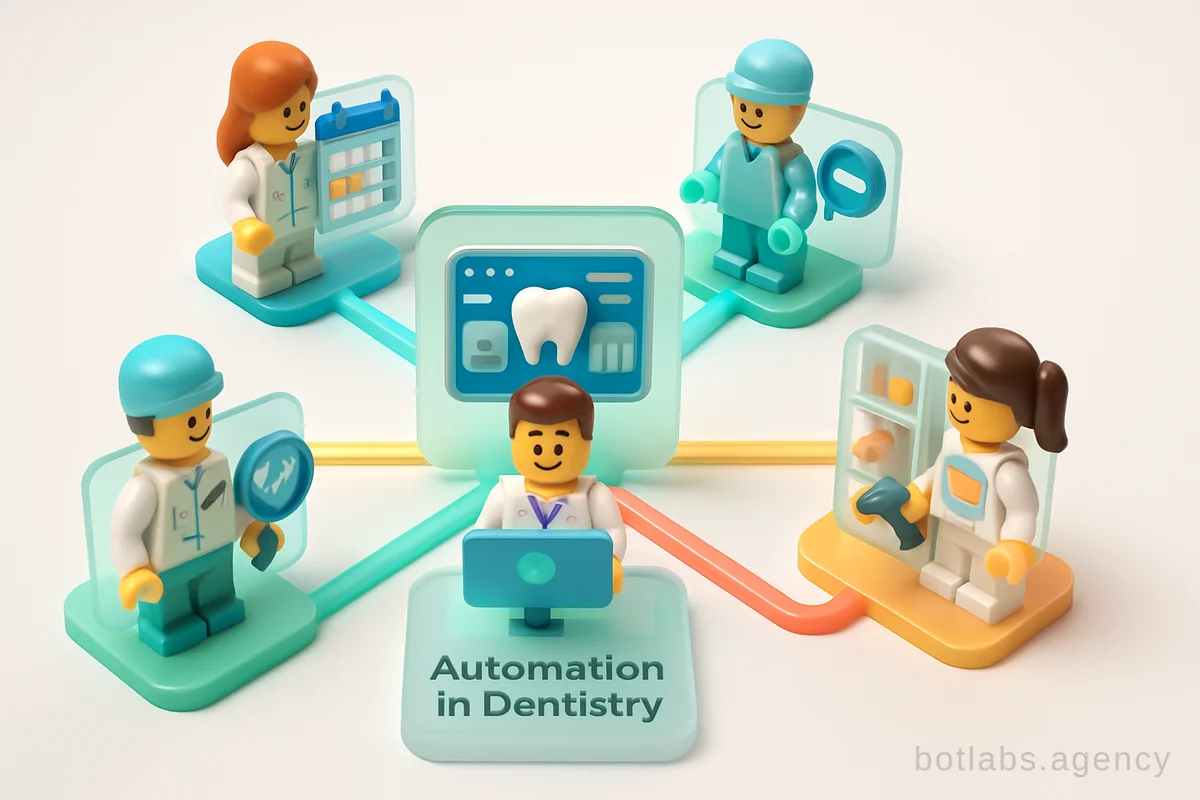
Automation in dentistry is more than a trend—it's a strategic advantage. Here are the key benefits clinics experience by embracing automation:
- Streamlined Patient Scheduling: Automated systems prevent double bookings, optimize chair time, and reduce no-shows with reminders.
- Centralized Patient Records: All patient data, x-rays, treatment history, and notes are instantly accessible, improving clinical decisions.
- Inventory and Resource Management: Automated tracking of consumables and equipment ensures you never run out or overstock.
- Financial Control: Automated billing, payment tracking, and salary calculations reduce errors and save admin time.
- Data-Driven Growth: Real-time analytics help clinics identify popular procedures, adjust pricing, and monitor staff productivity.
Tip: Clinics using automation report up to a 25% reduction in administrative workload and a 15% increase in appointment capacity within the first year.
Automating Patient Scheduling: The Game Changer
Manual scheduling is prone to errors, overbooking, and lost revenue. Modern dental CRM platforms enable online booking, real-time calendar updates, and automated reminders via SMS or email. For example, systems like RO App and Skyservice POS allow patients to choose appointment slots based on dentist availability and procedure length. Administrators no longer need to juggle complex schedules manually.
Table: Manual vs Automated Scheduling
| Feature | Manual Scheduling | Automated Scheduling |
|---|---|---|
| Double Booking Risk | High | Minimal |
| No-show Rate | Up to 18% | Down to 6% |
| Admin Time per Booking | 5-10 min | 1-2 min |
| Patient Communication | Phone/Email | SMS/Email/Chatbot |
| 24/7 Booking Access | No | Yes |
Tip: Integrate your scheduling system with automated reminders to reduce no-shows and increase patient retention.
CRM Systems: The Heartbeat of Dental Clinic Automation
A robust CRM centralizes all clinic operations. Systems like Ai-clinic, RO App, and Skyservice POS go beyond simple scheduling—they track patient histories, manage clinic finances, and generate real-time reports. Key CRM features include:
- Comprehensive Patient Cards: Store x-rays, photos, treatment plans, and communications in one place.
- Automated Billing & Payments: Track all payments and generate invoices effortlessly.
- Role-Based Access: Control what data staff can see, protecting patient privacy and sensitive business info.
- Performance Analytics: Monitor KPIs like appointment volume, staff utilization, and procedure profitability.
Case in Point: Read how BotLabs Agency automated appointment booking, FAQ handling, and reminders for a dental clinic in the AstraDent Case Study, leading to dramatic improvements in efficiency and patient satisfaction.
Inventory and Material Tracking: No More Shortages or Wastage
Inventory mismanagement leads to costly delays and lost revenue. Automated systems log every use of consumables, track expiry dates, and alert staff when supplies run low. This enables clinics to:
- Plan purchases based on real usage
- Avoid overstocking or shortages
- Streamline reordering processes
Practical Example: A mid-sized clinic using automation cut supply-related downtime by 40% and saved 12% on annual procurement costs.
Analytics and Reporting: Turning Data into Action
Automation platforms aggregate data from every touchpoint—appointments, payments, staff hours, and more. With built-in analytics, managers can:
- Identify top-performing dentists and services
- Spot trends in patient demand
- Optimize schedules for peak times
- Adjust pricing and marketing strategies
Tip: Regularly review analytics dashboards to spot inefficiencies and capitalize on high-demand procedures.
Communication and Patient Engagement: Automated, Yet Personal
Effective communication is vital for patient loyalty. Automated SMS, email, or chatbot reminders ensure patients never forget appointments or follow-ups. Integration with telephony systems means staff can instantly access patient data during calls, providing a personalized experience.
Case Study Reference: See how AI-powered chatbots are revolutionizing dental patient support in AstraDent Case Study.
Security, Access Control, and Cloud Reliability
Modern automation platforms offer robust security:
- Cloud Data Storage: Secure, 24/7 access from any device
- Role-Based Access: Prevent unauthorized data access
- Audit Logs: Track staff actions for accountability
Tip: Choose automation solutions that comply with healthcare data privacy regulations in your region.
Staff Management and Payroll Made Simple
Automated scheduling and time-tracking make payroll calculation transparent and accurate. Track hours, overtime, and absences automatically, reducing HR disputes and manual errors. This transparency boosts staff morale and trust.
Table: Automated vs Manual Payroll Processing
| Metric | Manual | Automated |
|---|---|---|
| Processing Time | 3-5 hours/mo | <1 hour/mo |
| Error Rate | 4-8% | <1% |
| Staff Satisfaction | Moderate | High |
Automation in Action: Real-World Dental Clinic Case Study
Let’s see automation in practice. The AstraDent Case Study demonstrates how an AI chatbot and CRM integration enabled automated appointment booking, instant FAQ responses, and patient reminders. This led to:
- 24/7 patient support
- 30% reduction in no-shows
- 20% faster onboarding for new patients
Key Steps to Implementing Automation in Your Clinic
- Assess Your Clinic’s Needs: Identify manual bottlenecks—scheduling, billing, inventory, etc.
- Select an Automation Platform: Choose solutions with proven dental clinic results.
- Train Your Team: Ensure everyone understands the new workflows.
- Integrate Communication Tools: SMS, email, and chatbot reminders.
- Monitor and Optimize: Use analytics to tweak processes for maximum ROI.
Tip: Start with automating the most time-consuming task (usually scheduling), then expand to inventory, billing, and analytics as your team adapts.
Practical Automation Checklist for Dental Clinics
- Online patient booking with calendar integration
- Automated reminders (SMS/email/chatbot)
- Centralized patient records and treatment history
- Inventory and material tracking
- Automated billing and payroll
- Real-time analytics dashboard
Bonus: Choosing the Right Automation Platform
When selecting a platform, consider:
- Cloud accessibility
- Integration with existing tools
- Scalability for multiple locations
- Security and compliance
- Local support and training
Explore more about business process automation in healthcare and other sectors in our Blog — BotLabs or by reading the How Chatbots Transform Business in 2026 article.
Q1: Will automation replace clinic staff?
A: No. Automation reduces routine work, freeing staff to focus on patient care and complex tasks.
Q2: Is automation affordable for small clinics?
A: Yes. Most platforms offer scalable, cloud-based solutions with flexible pricing—even solo practitioners benefit from automation.
Q3: How do I get started with dental clinic automation?
A: Start by identifying your main pain points, then pilot an automation tool for one process (e.g., scheduling) before expanding to the full clinic.

Need a chatbot for your business?
We automate your processes and boost sales.