Digital Transformation in 2026: How Automation and AI Reshape Business Value
Introduction: Defining Digital Transformation in 2026
Digital transformation is no longer a buzzword – it’s a strategic imperative reshaping every facet of modern business. In 2026, digital transformation is the ongoing integration of advanced digital technologies, such as automation and AI, into all areas of an organization. This not only streamlines operations and improves efficiency but fundamentally changes how companies deliver value to customers, empower employees, and innovate for the future.
Tip: Before launching a digital transformation initiative, define your "why"—whether it’s optimizing customer experience, boosting productivity, or creating new revenue streams.
The Evolution of Digital Transformation: From Cloud to AI & Automation
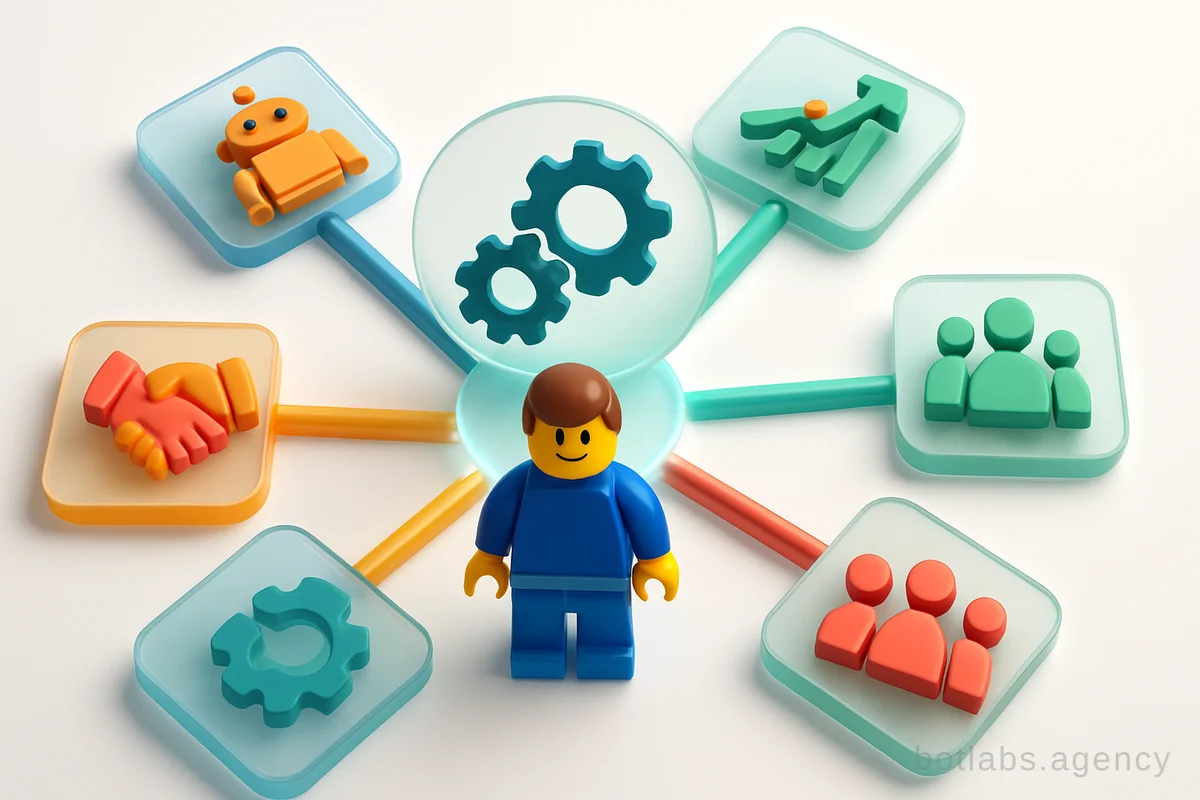
The journey began with cloud computing and mobile apps, enabling businesses like Uber, Netflix, and Airbnb to disrupt entire industries. The COVID-19 pandemic acted as a catalyst, forcing organizations to accelerate digital initiatives, support remote work, and rethink customer interaction models.
Today, the focus is on automation, AI, and data-driven decision-making. Digital leaders are leveraging these technologies not just to keep up, but to leap ahead. According to McKinsey, companies that invested in digital transformation saw 65% higher annual shareholder returns than those that lagged behind.
Core Domains of Digital Transformation
Digital transformation impacts multiple domains within every organization. Let’s break down the key areas:
| Domain | Example Initiatives | Business Impact |
|---|---|---|
| Business Models | Subscriptions, on-demand services, digital products | New revenue, agility, market share |
| Process Optimization | Automated workflows, AI-driven decisions | Cost reduction, speed, quality |
| Product & Service Innovation | IoT, smart devices, AI-powered features | Customer value, differentiation |
| Employee Experience | Remote work tools, digital onboarding, BYOD | Engagement, recruitment, retention |
| Customer Experience | Omnichannel support, chatbots, personalization | Loyalty, satisfaction, lifetime value |
Business and Operating Models
Organizations are reinventing how they deliver products and services. For example, traditional retailers now offer digital loyalty programs and mobile ordering. UA Made’s loyalty chatbot enabled a 34% increase in repeat purchases by automating rewards and personalized engagement directly in Telegram.
Process Optimization Through Automation
Automation is not just about replacing manual tasks—it’s about creating intelligent workflows. Manufacturers automate production lines; service businesses deploy chatbots for 24/7 support; and sales teams use CRM integrations to nurture leads faster. KLEIBERIT’s B2B chatbot automates dealer support, product spec searches, and order processing, reducing response times and operational costs.
Product and Service Innovation
Digital transformation means embedding technology into products and services. From cars with AI-powered safety features to gyms offering automated class bookings, the customer experience is increasingly digital. Fitness clubs use chatbots to streamline membership management and class scheduling, leading to higher retention rates.
Employee Experience
Modern organizations prioritize employee experience by providing digital tools that boost productivity and satisfaction. These include onboarding apps, internal chatbots, and secure remote access. A positive employee experience translates directly into better customer outcomes and brand reputation.
Customer Experience (CX)
Digital transformation ultimately aims to delight customers. Today’s consumers expect seamless, personalized interactions across channels and devices. Chatbots and AI-powered assistants provide instant support, automate FAQ responses, and enable self-service options. AstraDent’s AI chatbot for dental clinics automates appointment booking and patient reminders, improving both patient satisfaction and staff efficiency.
Building a Digital Transformation Framework
A successful digital transformation requires a structured framework. Here’s a proven approach:
- Define Vision and Objectives: Align leadership on clear goals—improving CX, reducing costs, or launching new business models.
- Assess Current State: Audit existing processes, technologies, and capabilities.
- Identify Opportunities: Target quick wins and long-term strategic projects.
- Prioritize Initiatives: Invest where ROI is highest and risk is manageable.
- Implement & Iterate: Launch projects, measure KPIs, and optimize based on feedback.
- Change Management: Foster a digital culture, upskill teams, and manage resistance.
Tip: Use KPIs such as customer satisfaction (NPS), employee engagement, process cycle time, and revenue from new channels to measure progress.
Culture: The Heart of Transformation
Technology alone isn’t enough. The most successful transformations are rooted in a culture of experimentation, agility, and continuous improvement. Leaders must champion cultural change, encourage risk-taking, and reward innovation.
Melissa Swift from Mercer notes, “Digital is a loaded word that means many things to many people.” To avoid confusion, organizations should clearly articulate what digital transformation means for their context and ensure buy-in from all stakeholders.
Trends Shaping Digital Transformation in 2026
- Hyperautomation: Combining AI, RPA, and low-code tools to automate complex processes end-to-end.
- AI-Driven Personalization: Tailoring experiences and offers to individual customer needs.
- Data-Driven Decision-Making: Leveraging analytics for faster, smarter business decisions.
- Omnichannel Engagement: Seamless integration across web, mobile, messaging apps, and social platforms.
- Remote and Hybrid Work: Empowering distributed teams with cloud-based collaboration and secure access.
Measuring ROI: Proving the Value of Digital Transformation
It’s essential to demonstrate the impact of digital initiatives. Here are common KPIs:
| KPI | Description | Example Improvement |
|---|---|---|
| Customer Satisfaction (NPS) | Net Promoter Score, post-automation | +20 points after chatbot launch |
| Cycle Time | Process time reduction through automation | 60% faster order processing |
| Revenue from Digital | Sales from new digital channels or products | +34% repeat sales via loyalty bot |
| Employee Productivity | Output per employee after digital enablement | 2x more support tickets resolved |
Case Example: UA Made’s chatbot automated loyalty management, boosting repeat purchases by 34% and demonstrating clear ROI.
Real-World Case Studies: Automation in Action
- Retail & E-commerce: UA Made and Stolichnaya Jewelry Factory implemented chatbots and loyalty programs, driving customer retention and online sales.
- Healthcare: AstraDent’s AI chatbot automated appointment scheduling, FAQs, and reminders, freeing staff for higher-value tasks.
- B2B Manufacturing: KLEIBERIT used chatbots to streamline dealer support and order management.
- Fitness & Hospitality: Automated booking, menu ordering, and feedback collection improve customer convenience and business agility.
Practical Tips for Leaders Embarking on Digital Transformation
- Start Small, Scale Fast: Pilot automation in one business unit before enterprise rollout.
- Align IT & Business: Cross-functional teams bridge the gap between technology and operations.
- Focus on User Experience: Both employee and customer satisfaction drive success.
- Prioritize Security: Protect data and ensure compliance throughout transformation.
- Iterate Relentlessly: Use feedback and analytics to continuously improve.
Callout: Why Automation Is the Digital Transformation Accelerator
Automation is the key enabler of digital transformation. By freeing employees from repetitive tasks, automation allows them to focus on innovation and customer engagement. Organizations that embrace automation are more agile, competitive, and positioned for long-term growth.
Q1: What’s the first step for a company starting digital transformation?
A1: Begin by defining clear business objectives and getting leadership alignment. Audit your current processes and technology to identify quick wins.
Q2: How do I measure success in digital transformation?
A2: Track KPIs like customer satisfaction, cycle time, revenue growth, and employee productivity. Link improvements directly to digital initiatives.
Q3: Which departments benefit most from automation?
A3: While all departments can benefit, customer service, HR, sales, and operations often see the fastest ROI from automation.
---
For more insights and actionable guides on automation and digital transformation, explore the BotLabs Agency Blog or request a free consultation.

Need a chatbot for your business?
We automate your processes and boost sales.