How to Scale a Business: Strategies, Challenges, and Proven Steps for 2026
Introduction: Scaling in 2026—More Than Just Growth
Scaling a business in 2026 isn’t just about growing bigger; it’s about doing more with less, leveraging technology, and building systems that allow you to multiply results without multiplying costs. While growth focuses on increasing revenues and resources at a similar pace, true scaling means boosting revenues much faster than costs—unlocking exponential returns for your business.
In this article, we’ll break down actionable steps, strategic insights, and real-life chatbot automation case studies that show how companies like UA Made and leading clinics automated, scaled, and delighted customers. Whether you’re a startup or a mature business, these lessons apply.
1. Market Research: The Foundation for Successful Scaling
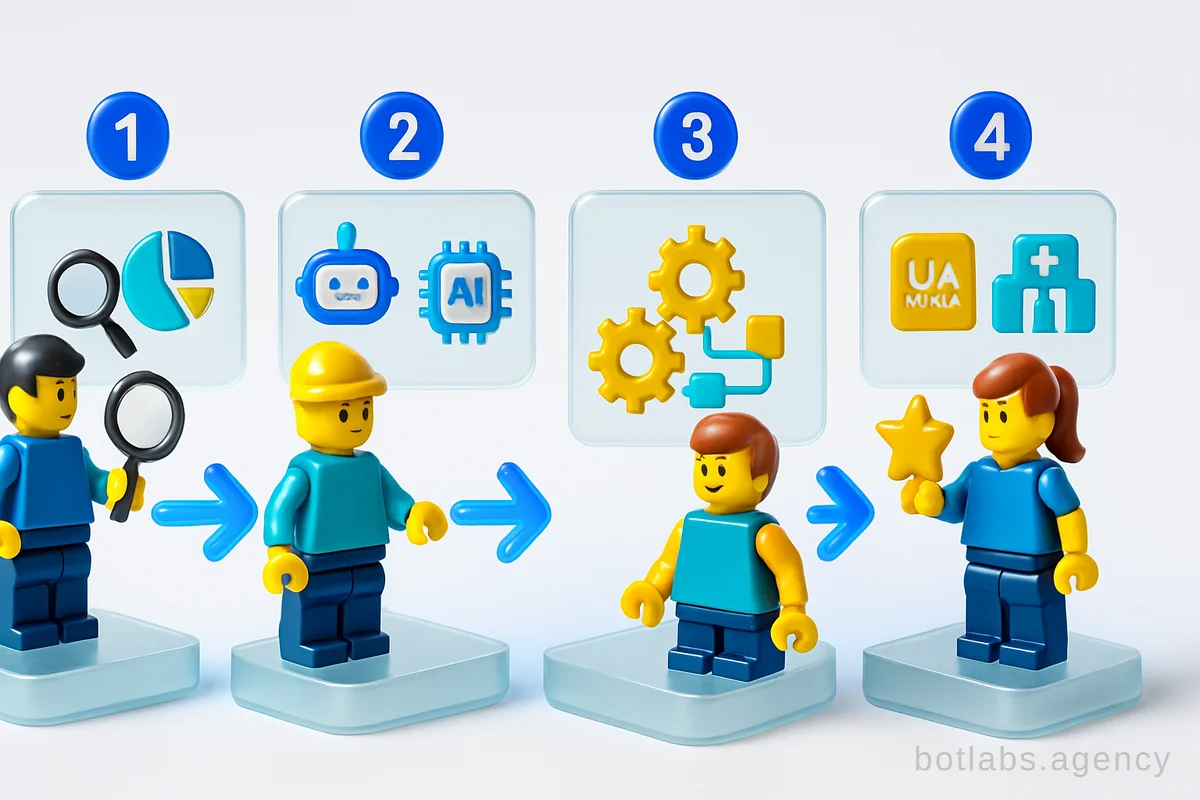
Before you can scale, you need to know where you stand and what the market wants. Market research blends consumer behavior, economic trends, and competitive intelligence. It’s the difference between educated risk and a shot in the dark.
- Primary Research: Directly survey, interview, or observe your target customers. For example, running a focus group on a new chatbot interface can reveal friction points before you launch at scale.
- Secondary Research: Analyze industry reports, competitor data, and public sources to understand broader trends and potential threats or opportunities.
Tip: Use a mix of both approaches to build robust buyer personas and identify gaps your business can fill. Consider SWOT analysis to clarify strengths, weaknesses, opportunities, and threats.
Table: Types of Market Research for Scaling
| Research Type | Method | Example Use Case |
|---|---|---|
| Primary | Surveys, interviews | Test new product features |
| Secondary | Industry reports, analysis | Benchmark against competitors |
2. Laying the Strategic Groundwork: Capability and Capacity
Ask yourself two questions before scaling:
- Is your company capable of growing? Can your team and systems handle more work or sales efficiently, or will costs spiral?
- Do you have the capacity for growth? Will your infrastructure, employees, and technology scale up to meet demand, or will bottlenecks appear?
This honest assessment may require outside perspective—consider consulting a mentor or business advisor. At BotLabs Agency, we often help clients audit their core, support, and management processes to identify strengths and weaknesses. Streamlining complexity is key, as complex processes can slow you down.
3. Building a Scalable Growth Strategy
A robust growth strategy provides a clear roadmap for expansion. Consider both:
- Financial Objectives: Revenue, profitability, and funding milestones.
- Non-Financial Metrics: Market share, brand recognition, customer loyalty.
There are five classic ways to drive growth:
- Market Penetration: Increase your share in existing markets.
- Product Development: Offer new products to your current markets.
- Market Development: Bring existing products to new markets.
- Diversification: Develop new products for new markets.
- Acquisition: Buy other companies to expand reach.
Example: Scaling Through Automation
The Loyalty Chatbot for UA Made retail network is a prime example of market penetration and product development. By automating the loyalty program and integrating it into popular messengers, UA Made increased repeat purchases by 34%—all while holding costs in check.
4. The Real Challenges of Scaling Up (And How to Overcome Them)
Scaling isn’t just about ambition; it comes with real, practical barriers:
Common Pitfalls
- Lack of Product-Market Fit: Scaling before your solution truly solves customer needs can lead to rapid churn.
- Meeting Demand: Sudden order surges can stress production, lead to delays, or quality issues.
- Cash Flow Crunch: Growth eats cash. Recruiting, infrastructure, and marketing costs can outpace incoming revenue.
- Operational Complexity: Scaling can create process overload—manual tasks, disconnected systems, or unclear responsibilities.
Overcoming Obstacles
- Validate Product-Market Fit: Use customer feedback, pilot projects, and iterative improvements before scaling widely.
- Resource Planning: Invest in automation, improve supply chain management, and upskill or hire strategically. Explore tools and templates for resource management.
- Fundraising and Cash Flow: Consider venture capital, loans, or crowdfunding. Run detailed expense and break-even forecasts to avoid surprises.
- Strategic Planning: Develop marketing, sales, and operational plans. Build customer loyalty early—don’t let quality slip as you scale.
Tip: Before a big launch, run a scenario analysis: What happens if orders double overnight? Will your systems, staff, and cash reserves cope?
5. Leveraging Technology: The Secret Weapon for Scalable Growth
Manual work is the enemy of scale. As your business grows, technology and automation become non-negotiable. Chatbots, CRM integrations, and AI-driven processes aren’t just trends—they’re necessities.
Why Automation Matters
- Efficiency: Automate repetitive tasks (like lead qualification, appointment scheduling, or customer support) to free up human resources.
- Consistency: Bots deliver the same high-quality experience 24/7.
- Integration: Modern systems must talk to each other—CRM, payment, inventory, and marketing tools should be seamlessly linked.
Case Study: Chatbot in Healthcare
The AstraDent — AI Chatbot for Dental Clinic automated appointment booking, FAQs, and patient reminders. This improved patient satisfaction and allowed staff to focus on complex cases, not repetitive admin.
Table: Technology Investments for Scaling
| Technology Type | Scaling Benefit |
|---|---|
| Chatbots & AI | Automate support, sales, loyalty |
| CRM Integrations | Centralize data, track pipeline |
| Mini Apps | Custom user flows, fast updates |
| Analytics Tools | Data-driven decisions |
6. Financial Planning: Forecast, Fund, and Fuel Your Scale-Up
Scaling up requires money—whether it’s for hiring, tech upgrades, or new facilities. Accurate financial forecasting is critical. Develop both sales growth and expense forecasts:
- Sales Growth Forecast: Estimate new clients, order volumes, and revenue targets.
- Expense Forecast: Account for new hires, tech, infrastructure, and training costs.
If internal reserves aren’t enough, explore external funding options. Each comes with trade-offs—equity, debt, or alternative finance. Cash flow management is non-negotiable: fast growth can kill underfunded companies.
Tip: Use a break-even analysis to understand when your investment in scaling will start to pay off.
7. Customer Experience: Don’t Let Quality Slip as You Scale
Happy, loyal customers are the engine of sustainable growth. As you scale, don’t let quality drop. Invest in customer service, consistent delivery, and feedback loops.
Example: Delight at Scale
The Stolichnaya Jewelry Factory — Loyalty & Catalog Chatbot enabled seamless browsing, ordering, and loyalty benefits for thousands of customers—without sacrificing service quality.
8. Building the Right Team and Asking for Help
You can’t scale alone. Surround yourself with mentors, advisors, or even fractional CFOs who’ve seen scale-ups before. Their experience can help you avoid costly mistakes and keep your strategy on track. As Steve Jobs said, “I’ve never found anybody who didn’t want to help me when I’ve asked them for help.”
9. Step-by-Step: How to Scale a Business in 2026
- Audit Processes: Identify bottlenecks and simplify operations.
- Market Research: Validate demand and refine your offering.
- Strategic Planning: Set clear, measurable goals.
- Forecast Sales and Costs: Be realistic and thorough.
- Secure Funding: Ensure you can finance growth.
- Invest in Technology: Automate and integrate key systems.
- Build the Team: Recruit, outsource, and upskill as needed.
- Prioritize Customer Experience: Maintain quality and gather feedback.
- Monitor, Review, and Adjust: Stay agile and keep learning.
Callout Box: > Tip: Don’t just add technology—integrate it! Even the best chatbot or CRM is useless if it doesn’t connect to your other systems. Plan integration from the start.
Q1: How do I know if my business is ready to scale?
A: Audit your processes, ensure product-market fit, and check if your systems and team can handle increased demand without quality loss.
Q2: What is the biggest risk in scaling too fast?
A: Running out of cash and losing customer satisfaction due to overstretched systems or staff are the top risks.
Q3: How can chatbots help scale my business?
A: Chatbots automate customer service, sales, bookings, and loyalty programs—enabling you to serve more clients with fewer resources. Learn more in our blog.
---
Ready to scale your business with automation? Get a free chatbot consultation from BotLabs Agency or explore our chatbot portfolio.

Need a chatbot for your business?
We automate your processes and boost sales.