Medical Appointment Booking Automation in 2026: How Technology Transforms Patient Experience and Clinic Efficiency
Introduction: Why Medical Appointment Booking Automation Is a Must in 2026
Long gone are the days when scheduling a doctor’s visit meant waiting on hold or standing in line at the clinic. In 2026, medical appointment booking automation is the new standard in healthcare, driven by patient expectations for instant, digital convenience and the industry’s need for operational efficiency. From solo practitioners to nationwide clinic networks, automated appointment booking solutions are revolutionizing the way healthcare is delivered and managed.
Tip: Automated booking is no longer a luxury—it's a core expectation for modern patients and a critical driver of clinic growth.
The Core Benefits of Automated Appointment Booking Systems
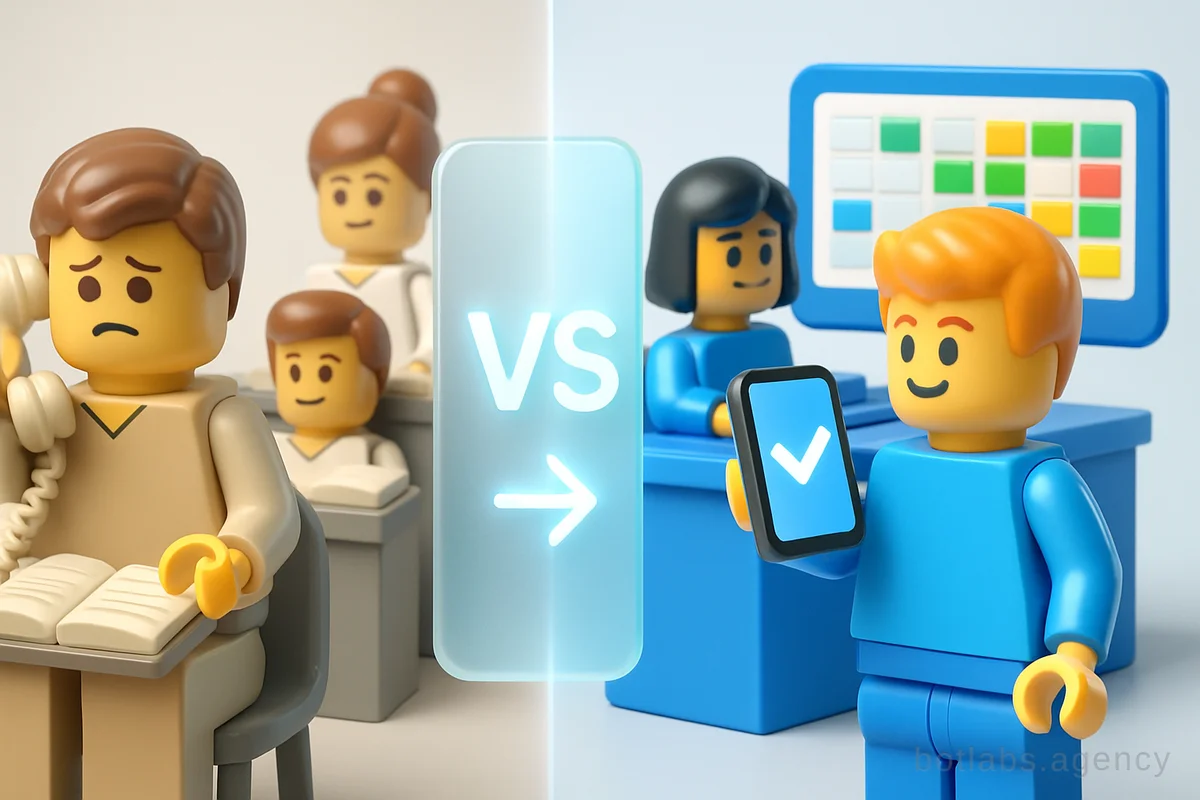
Automation isn’t just a technical upgrade. It’s a fundamental shift in patient experience, administrative workload, and clinic profitability. Here’s how:
1. Enhanced Patient Experience
- Self-service booking: Patients can schedule, reschedule, or cancel appointments 24/7 via a mobile app or web interface, no calls required.
- Reminders and notifications: Automated SMS, push, or email reminders reduce no-shows by 40–60%.
- Instant access to medical records: Integration with EHR/EMR systems allows patients to view test results and history securely.
2. Increased Revenue and Clinic Efficiency
- Reduced admin costs: Automation can cut administrative expenses by up to 40% by eliminating manual scheduling and paperwork.
- New revenue streams: Online payments, telemedicine, and packaged offers can boost digital channel revenue by 30–45% in the first year.
- Analytics for smart management: Real-time data on bookings, cancellations, and doctor utilization supports better business decisions.
3. Competitive Edge and Patient Loyalty
- Personalized patient journeys: Automated reminders, personalized recommendations, and loyalty features increase repeat visits by up to 50%.
- Brand differentiation: Clinics with modern, user-friendly booking solutions stand out in a crowded market.
Key Features Every Modern Booking System Should Have
When choosing or building an appointment automation solution, consider these must-have features:
| Feature | Patient Benefits | Clinic Benefits |
|---|---|---|
| 24/7 online booking | Convenience, flexibility | More bookings, less admin workload |
| Automated reminders | Fewer missed visits | Higher revenue, better scheduling |
| Secure payment integration | Pay instantly, safely | Faster cash flow, fewer no-pays |
| EHR/EMR integration | View records, test results | Accurate data, improved care |
| CRM capabilities | Personalized service | Targeted marketing, loyalty programs |
| Analytics dashboard | — | Real-time insights, optimization |
Callout: In a recent AstraDent dental clinic case, implementing an AI-powered chatbot for appointment booking and reminders led to significantly reduced admin time and higher patient engagement.
The Booking Automation Technology Stack: What Powers Modern Solutions?
1. CRM Systems for Healthcare
Modern CRMs (Customer Relationship Management) go beyond databases. They centralize patient information, automate communication, track visits, payments, and even inventory. For example, systems like RO App unify scheduling, messaging, billing, and analytics in a single, secure interface.
2. Integration with Messengers and Chatbots
Patients expect to interact via the channels they already use: Telegram, Viber, WhatsApp, and more. Integrating chatbots streamlines booking, FAQs, and reminders directly inside popular messaging apps. For inspiration, see Chatbot for Medical Clinics, where automation covers booking, patient triage, and 24/7 support.
3. Secure Payment Gateways
Instant, integrated payments (Apple Pay, Google Pay, LiqPay, etc.) allow patients to pay for visits or services directly in the booking flow—no more queues or cash desks.
4. Mobile and Web Apps
Cross-platform solutions ensure both staff and patients have access on smartphones, tablets, or desktop. Mobile apps for staff enable real-time scheduling, payment processing, and access to patient data—anywhere, anytime.
5. AI-Powered Features
- Automated responses: AI suggests optimal answers in patient chats, speeding up service.
- Voice and call transcription: Quickly review key info from recorded calls or voice messages.
- Smart reminders & analytics: AI can predict patient no-shows and recommend optimal scheduling slots.
ROI of Appointment Automation: Real-World Impact
Let’s look at measurable outcomes clinics report after implementing automated appointment booking:
| Metric | Before Automation | After Automation | Improvement |
|---|---|---|---|
| No-show rate | 20% | 8% | -60% |
| Admin costs | $10,000/mo | $6,000/mo | -40% |
| Repeat visits | 35% | 52% | +49% |
| Online payments | 15% | 65% | +333% |
Tip: Automation not only improves patient satisfaction but also frees up resources for higher-value medical work instead of routine admin tasks.
Step-by-Step: How to Implement Appointment Booking Automation
- Analyze your clinic’s workflow and needs: Identify pain points in current scheduling and patient communication.
- Select the right technology partner: Look for proven healthcare automation experience (see BotLabs Agency).
- Define integration requirements: Ensure compatibility with your EHR, payment gateways, and communication channels.
- Customize patient journey: Plan booking flows, reminders, and communication touchpoints.
- Test and train: Pilot the system with staff and gather feedback to refine processes.
- Launch and promote: Inform patients about the new system via email, social media, and in-clinic signage.
- Monitor analytics: Use dashboards to track adoption, no-shows, and revenue impact—iterate as needed.
Best Practices & Tips for Maximizing Booking Automation Success
- User-friendly interface: Prioritize intuitive design for all ages. Even non-tech-savvy patients should find it easy.
- Omnichannel communication: Offer booking via web, mobile app, and messengers.
- Transparent policies: Set clear rules for cancellations and rescheduling.
- Data privacy: Ensure all data is processed according to GDPR, PCI DSS, and other regulations.
- Continuous support: Provide real-time help via chat or phone for any booking issues.
Practical Tip: Consider a 14-day free trial period for your automation system; real user feedback will surface issues early.
Case Example: AstraDent Dental Clinic’s Booking Automation Journey
AstraDent, a leading dental clinic, deployed an AI-powered chatbot to handle appointment bookings, send reminders, and answer patient FAQs. Within weeks, admin workload dropped by 30%, and patient satisfaction scores rose sharply. Learn more in the AstraDent Case Study.
Table: Feature Comparison of Leading Healthcare Booking Solutions
| Feature | Web-based System | Mobile App | Messenger Chatbot |
|---|---|---|---|
| 24/7 Booking | Yes | Yes | Yes |
| Automated Reminders | Yes | Yes | Yes |
| EHR/EMR Integration | Yes | Partial | Limited |
| Online Payments | Yes | Yes | Partial |
| AI Assistance | Yes | Yes | Yes |
| Analytics Dashboard | Yes | Partial | No |
Q1: Is automated booking secure for sensitive patient data?
A: Yes. Leading solutions comply with global data privacy standards (PCI DSS, SSL, GDPR) and offer robust data encryption and access controls.
Q2: How do I handle patients who prefer phone or in-person booking?
A: Automated systems can operate in parallel with traditional methods, but over time, most patients migrate to digital for convenience.
Q3: Can booking automation integrate with my existing clinic software?
A: Most modern solutions support integration with popular EHR/EMR and CRM platforms. Discuss requirements with your provider.
For more on healthcare automation, explore our Blog or request a free consultation at BotLabs Agency.

Need a chatbot for your business?
We automate your processes and boost sales.