Operational Efficiency in Web Development: Strategies, Metrics, and Real-World Gains for 2026
Introduction: Why Operational Efficiency Matters in Web Development
In a fast-evolving digital landscape, the ability to deliver high-quality web development projects rapidly and consistently is a competitive advantage. Yet, many businesses chase the latest trends—AI, automation, employee experience—without first establishing the bedrock of operational efficiency. In 2026, operational efficiency is the linchpin that connects ambitious web projects to sustainable profitability, scalability, and team well-being.
Tip: Before investing in new tech, evaluate if your underlying processes are truly efficient. Optimization often yields a higher ROI than chasing every trend.
Understanding Operational Efficiency in the Web Development Context
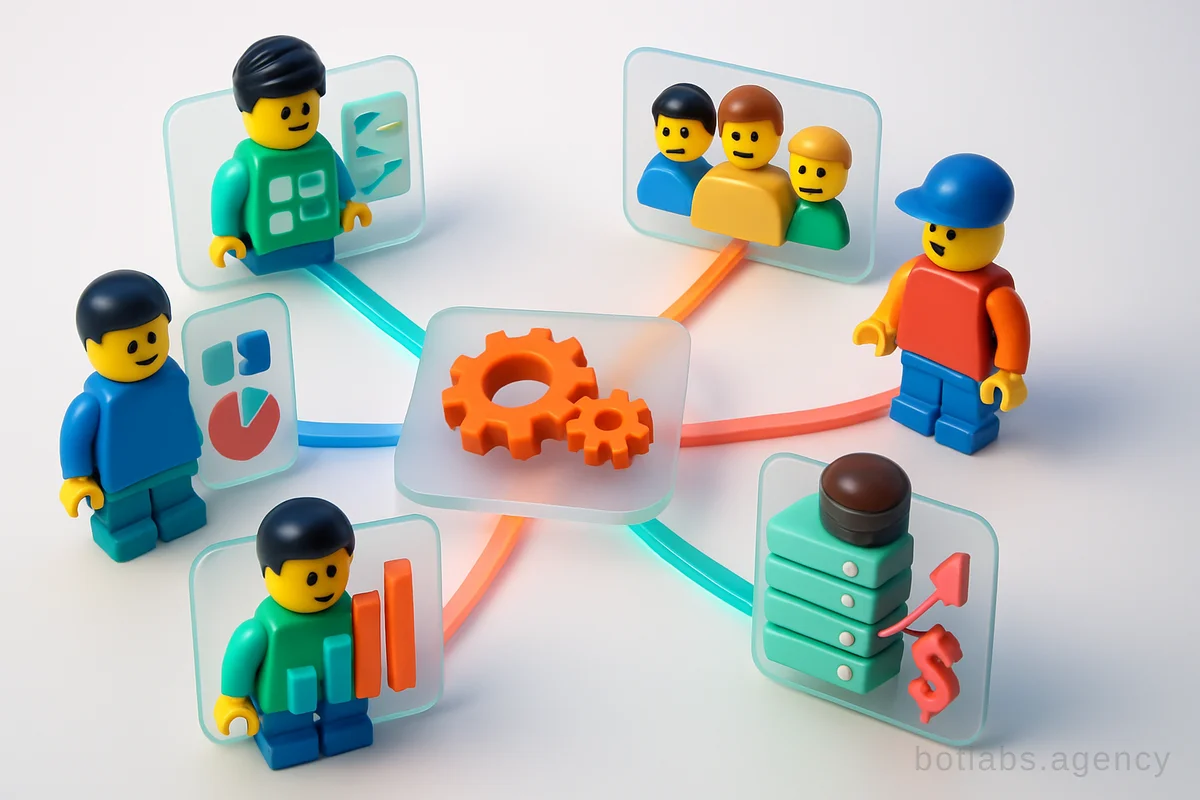
Operational efficiency is about achieving business goals with optimal use of resources—minimizing waste, maximizing productivity, and ensuring processes are transparent and scalable. For web development, this means:
- Streamlined collaboration between teams (designers, developers, QA, PMs)
- Processes built for people, not just code
- Data-driven decision-making using relevant metrics (KPI, lead time, bug rates)
- Continuous improvement and feedback cycles
Key attributes of operationally efficient web development teams:
| Attribute | Impact Example |
|---|---|
| Clear team roles | Fewer missed handoffs, faster delivery |
| Transparent processes | Quick onboarding of new staff |
| Automation of routine | Developers spend more time on high-value tasks |
| Standardized reporting | Better project forecasting and budgeting |
Diagnosing and Measuring Operational Efficiency
The first step towards improvement is measurement. But which metrics matter in web development?
Types of Metrics
- Financial: Project margin, cost per feature, ROI
- Process: Lead time, cycle time, defect rate, deployment frequency
- Team: Employee satisfaction, onboarding duration, skill coverage
A practical approach is to start small, using basic tools like spreadsheets or project management platforms (e.g., Jira, Trello), and expand as your processes mature.
Tip: Avoid vanity metrics. Focus on numbers that drive real outcomes—like time-to-market or customer satisfaction.
Identifying Bottlenecks
Use process mapping (such as Value Stream Mapping) to visualize the end-to-end flow of a web project. This highlights bottlenecks, redundant steps, and opportunities for automation.
Example Table: Common Bottlenecks in Web Projects
| Bottleneck | Impact | Solution Example |
|---|---|---|
| Manual QA handoffs | Delayed launches | Automated testing pipelines |
| Unclear roles | Task duplication/confusion | RACI matrix, role definitions |
| Ad-hoc client feedback | Scope creep, missed deadlines | Structured feedback processes |
Lean Optimization: Cutting Waste for Lasting Impact
Lean methodologies, long used in manufacturing, are now essential in digital agencies. The seven types of waste (Muda) apply directly:
- Overproduction: Building unnecessary features
- Waiting: Delays for approvals or information
- Transportation: Excessive handovers between teams
- Overprocessing: Too many reviews or bureaucracy
- Inventory: Too many features in progress, not shipped
- Motion: Team members switching tools/systems too often
- Defects: Bugs, rework, or unclear requirements
Lean tools for web dev optimization:
- A3 Thinking: Structured problem-solving
- 5 Whys: Root cause analysis for recurring issues
- Fishbone Diagram: Visualize sources of defects or delays
- Micro-Kaizen: Small, continuous improvements (e.g., automating a deployment script)
Tip: Start with one team, document a single process, and optimize iteratively. Small wins accumulate.
Standardization and Automation: Building for Scale
Standardization is not about rigid bureaucracy, but about creating living documents and automations that transfer expertise and ensure consistency.
- SOPs (Standard Operating Procedures): Write clear, practical guides for common tasks (e.g., code reviews, deployment)
- Internal Knowledge Base: Centralize key info for rapid onboarding and troubleshooting
- Process Automation: Use tools (CI/CD, chatbots, integrations) to eliminate repetitive manual steps
Real-World Example: Chatbot Automation for Business Processes
BotLabs Agency has helped clients like AstraDent — AI Chatbot for Dental Clinic automate appointment bookings, reminders, and FAQs, freeing staff for more complex tasks and reducing human error.
Scaling Operations Without Chaos
Growth exposes the cracks in unstructured processes. Before scaling web development teams or taking on bigger clients, ensure foundational processes are robust:
- Assess business maturity and readiness to scale
- Identify which processes must be standardized before expansion
- Adapt SOPs and tools for new locations or remote teams
- Use data analytics and process audits to maintain quality post-scaling
Case Study: B2B Dealer Support Chatbot
With the KLEIBERIT — B2B Dealer Support Chatbot, BotLabs Agency standardized support and order processing for a dealer network, allowing the client to handle more partners without increasing manual workload.
Building High-Performing Teams: Structure, Delegation, and Motivation
A clear organizational structure—with well-defined roles and responsibilities—is the backbone of operational efficiency. Use the RACI matrix to clarify who is Responsible, Accountable, Consulted, and Informed for each process.
- Encourage regular check-ins (standups, retrospectives)
- Promote feedback culture and continuous learning
- Avoid burnout by monitoring workloads and delegating effectively
Tip: Use automated tools for task tracking and reminders to reduce micromanagement and support autonomy.
Change Management: Optimizing with the DMAIC and DMADV Models
Optimizing processes is a change journey. DMAIC and DMADV are proven frameworks:
DMAIC (for improving existing processes)
- Define: Pinpoint the process/problem to improve
- Measure: Gather baseline data
- Analyze: Identify root causes
- Improve: Design and test solutions
- Control: Standardize improvements and monitor results
DMADV (for creating new processes)
- Define: Establish clear goals
- Measure: Identify critical success metrics
- Analyze: Design process mechanics
- Design: Build and prototype the process
- Verify: Test and validate effectiveness
Communicating and Embedding Change
Change can be disruptive—especially for web development teams balancing tight deadlines. Communicate changes transparently:
- State the problem
- Explain the impact on current operations
- Set a clear vision for improvement
- Describe the expected results
- Define new rules or behaviors required
Table: Effective Communication Steps for Process Changes
| Step | Purpose |
|---|---|
| State Issue | Build urgency and awareness |
| Impact | Show why status quo can’t continue |
| Vision | Motivate and align the team |
| Result | Set expectations for improvement |
| Rules | Clarify what’s required to succeed |
Practical Takeaways for 2026 Web Development
- Invest in operational efficiency before scaling or adopting new tech
- Use Lean and DMAIC frameworks for continuous process improvement
- Automate repetitive tasks and standardize documentation
- Build strong team structures and support autonomy
- Communicate change transparently and frequently
For businesses looking to boost operational efficiency in web development, it's not just about technology—it's about building systems that empower people, harness data, and adapt at speed.
Explore more about process automation and real-world gains in our case studies.
Q1: What are the first steps to improving operational efficiency in web development?
A1: Start by mapping current processes, collecting baseline metrics, and identifying bottlenecks using tools like Value Stream Mapping.
Q2: How can automation help operational efficiency?
A2: Automation reduces errors, speeds up repetitive tasks, and allows skilled staff to focus on higher-value work, as seen in our AstraDent chatbot case.
Q3: Should small teams invest in operational systems?
A3: Yes—starting early with simple, scalable systems prevents chaos as the team grows and makes scaling up far smoother.

Need a chatbot for your business?
We automate your processes and boost sales.