Web Development in 2026: Skills, Process, and Business Value
What Is Web Development and Why Does It Matter in 2026?
In today's fast-evolving digital landscape, web development is more than just building websites. It's the backbone of modern business, enabling brands to reach, engage, and convert audiences at scale. Despite the rise of social media and mobile apps, over 83% of users in 2025 still start their search for a company on its website, and 70% won't trust a business without one. A well-crafted website is your digital headquarters, a source of SEO traffic, and the foundation of your business's digital ecosystem.
Tip: Companies that regularly update and optimize their websites see up to 50% more conversions than those relying solely on social platforms.
Core Skills Every Web Developer Needs in 2026
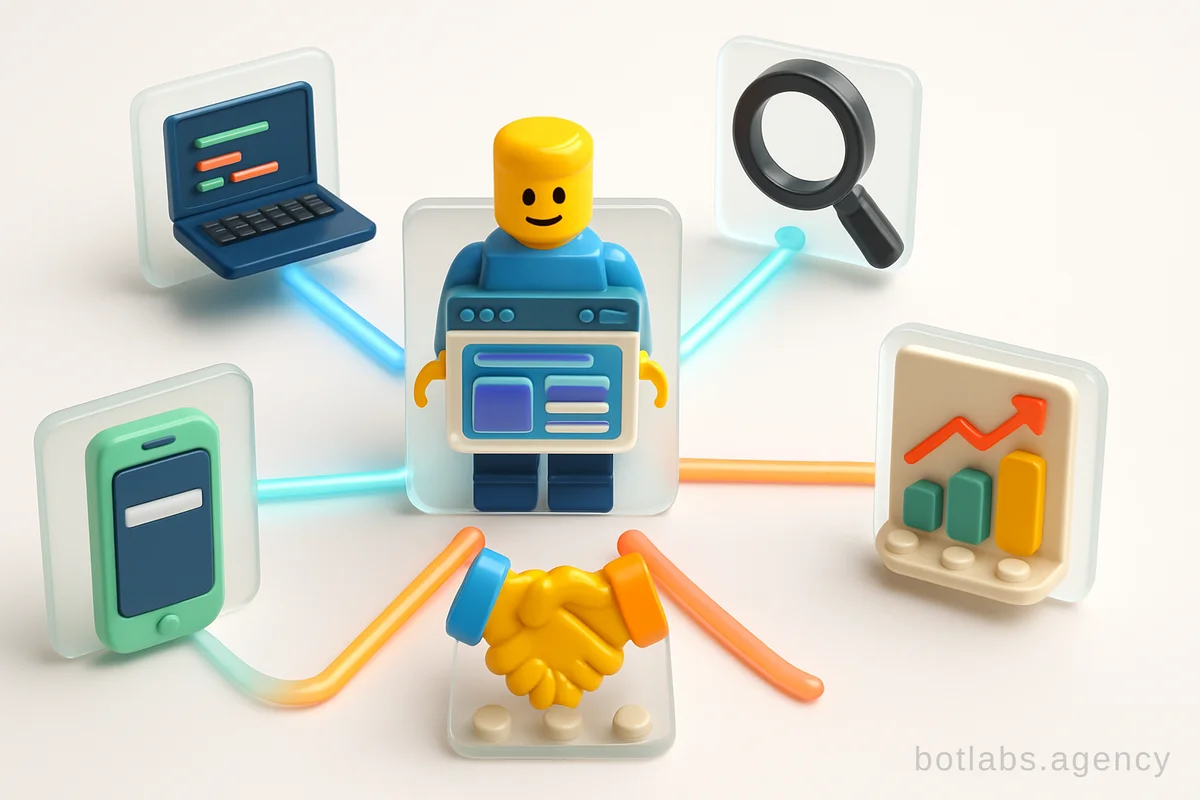
Web development is a multidisciplinary field requiring both technical know-how and a keen sense of user experience. Essential skills include:
- HTML: The structural skeleton of web pages.
- CSS: For styling, layout, and visual appeal.
- JavaScript: Adds interactivity and dynamic features.
- Frameworks & Libraries: React, Angular, Vue.js for frontend; Node.js, Django for backend.
- Responsive Design: Ensures usability on all devices.
- Databases: MySQL, MongoDB for storing and managing data.
- Version Control: Git for team collaboration and code management.
- API Integration: Connecting with external systems and services.
- Basic SEO: For discoverability and ranking.
Here's a quick overview:
| Skill | Description | Example Tech |
|---|---|---|
| HTML/CSS | Structure & style | HTML5, CSS3 |
| JavaScript | Interactivity & logic | Vanilla JS, ES6+ |
| Frameworks | Rapid development & scalability | React, Angular |
| Backend | Server logic, database, APIs | Node.js, Python |
| Databases | Data storage & retrieval | MySQL, MongoDB |
| Version Control | Collaboration & tracking | Git, GitHub |
| DevOps | Deployment & maintenance | Docker, CI/CD |
Tip: Mastering Git is crucial for any modern developer — it enables smooth teamwork, code management, and safe rollbacks.
The Web Development Process: From Idea to Launch
Building a successful web project is a structured, multi-stage journey. The main phases include:
- Discovery & Analysis: Gather requirements, define business goals, analyze the target audience and competitors.
- Planning & Conceptualization: Draft technical specifications, create wireframes, and conceptualize the user journey.
- Design: UI/UX experts develop visually engaging, user-friendly interfaces tailored to your brand and audience.
- Frontend & Backend Development: Frontend engineers build the user-facing side; backend developers handle server logic, databases, and integrations.
- Content Integration: Add unique, SEO-optimized content — or collaborate with clients to populate the site.
- Testing & QA: Comprehensive cross-device and cross-browser testing to ensure functionality, performance, and security.
- Deployment & Launch: Go live with robust hosting and security (SSL, CDN, backups).
- Support & Growth: Ongoing updates, analytics, and improvements based on user behavior and business needs.
Tip: Working with a full-cycle agency like BotLabs Agency ensures your project is expertly managed from concept to post-launch support.
Choosing the Right Platform: Website, App, or Mini App?
The platform you pick should align with your goals, audience, and budget:
| Platform | Best For | Example Use-Case |
|---|---|---|
| Website | Broad presence, SEO, content, lead generation | Corporate site, blog |
| E-commerce Site | Online sales, product catalogs | Retail, D2C brands |
| Web Application | Interactive services, dashboards, SaaS | Booking, marketplaces |
| Mobile App | Deep engagement, offline, push notifications | Delivery, loyalty apps |
| Telegram Mini App | Fast launch, chat-based UX, automation | Loyalty, support bots |
For a detailed comparison, read Website, App, or Telegram Mini App: Which Platform is Right for Your Business?
Technology Stack: What Powers Modern Websites?
Web development uses a blend of technologies. The popular choices in 2026:
- Frontend: HTML5, CSS3, JavaScript, React, Angular, Vue.js
- Backend: Node.js, Python (Django/Flask), PHP, Ruby, C#
- Databases: MySQL, PostgreSQL, MongoDB
- APIs: REST, GraphQL
- DevOps: Docker, Kubernetes, CI/CD pipelines
- Cloud: AWS, Google Cloud, Azure
Tip: Don't just chase trends—pick technologies that fit your project's needs, scale, and in-house expertise.
Real-World Impact: How Web Development Drives Business Growth
A great website is a revenue engine, not just a digital business card. Consider these case studies:
- Loyalty Chatbot for UA Made Retail Network: Integrated web-based loyalty and chatbot solution resulted in a 34% increase in repeat purchases.
- KLEIBERIT B2B Dealer Support Chatbot: Automated dealer support and product catalog search streamlined complex B2B sales processes.
- AstraDent AI Chatbot for Dental Clinic: Automated appointment booking and patient reminders improved operational efficiency and client satisfaction.
These examples show how smart web solutions can drive ROI, automate routine tasks, and improve customer engagement.
Freelance, Full-Time, or Agency: Career Paths in Web Development
Web development offers flexibility:
- Front-end Developer: Focused on user interfaces and visual experiences.
- Back-end Developer: Handles server-side logic, databases, and integrations.
- Full-stack Developer: Manages both front and back ends — highly valued for versatility.
- Freelancer: Project-based, flexible schedule, diverse clients.
- Technical Lead/Project Manager: Leadership opportunities at senior levels.
Salary Ranges (2026):
| Role | Monthly Salary (USD) |
|---|---|
| Front-end | $1,200–$4,200 |
| Back-end | $1,600–$5,000 |
| Full-stack | $2,000–$6,000 |
| Project Lead | $5,500–$7,000 |
| Freelancer | Varies (project-based) |
Tip: While formal tech degrees are helpful, employers increasingly value hands-on experience, portfolios, and certifications.
Web Development vs. Website Builders: Which to Choose?
- Website Builders: Ideal for simple, quick launches; limited customization and scalability.
- Custom Web Development: Essential for complex features, integrations, and unique branding.
Use a builder for a basic online presence; invest in custom development for long-term growth and advanced needs.
Maintaining and Growing Your Website
Launching is just the beginning. Ongoing improvements are vital:
- Monitor analytics and user feedback to identify pain points.
- Regular updates for security, content, and features.
- SEO and marketing to attract and convert visitors.
- Technical support to ensure reliability.
A proactive approach ensures your website remains an asset, not a liability.
Q1: How long does it take to learn web development?
A: Basic skills can be acquired in 6–12 months with consistent study and practice. Achieving a professional level may take 2–3 years, especially with advanced frameworks.
Q2: Do I need a degree to become a web developer?
A: No. Many successful developers are self-taught or have completed online courses and certifications. Practical projects and a strong portfolio are often more important.
Q3: How is web development different from mobile app development?
A: Web development focuses on browser-based solutions accessible on all devices. Mobile app development creates native applications for specific platforms (iOS/Android) with deeper device integration.
For more insights, visit our FAQ.

Need a chatbot for your business?
We automate your processes and boost sales.