Business Automation in 2026: Unlocking Growth, Efficiency, and Customer Loyalty
Introduction: Why Automation is the Game-Changer in 2026
In the fast-moving business landscape of 2026, automation has shifted from a tech buzzword to a fundamental driver of growth and competitive advantage. Whether you run a retail chain, a B2B service, or a digital startup, automation technologies—powered by AI, CRM platforms, and data analytics—are transforming how companies operate, engage customers, and scale.
From streamlining sales processes to personalizing customer experiences, automation doesn’t just cut costs; it empowers your teams to focus on what matters: building relationships, making better decisions, and fueling repeat business.
Tip: The most successful businesses in 2026 are those that blend smart automation with a human touch—leveraging technology to amplify, not replace, their people.
Automation in Sales: Moving Beyond Manual Work
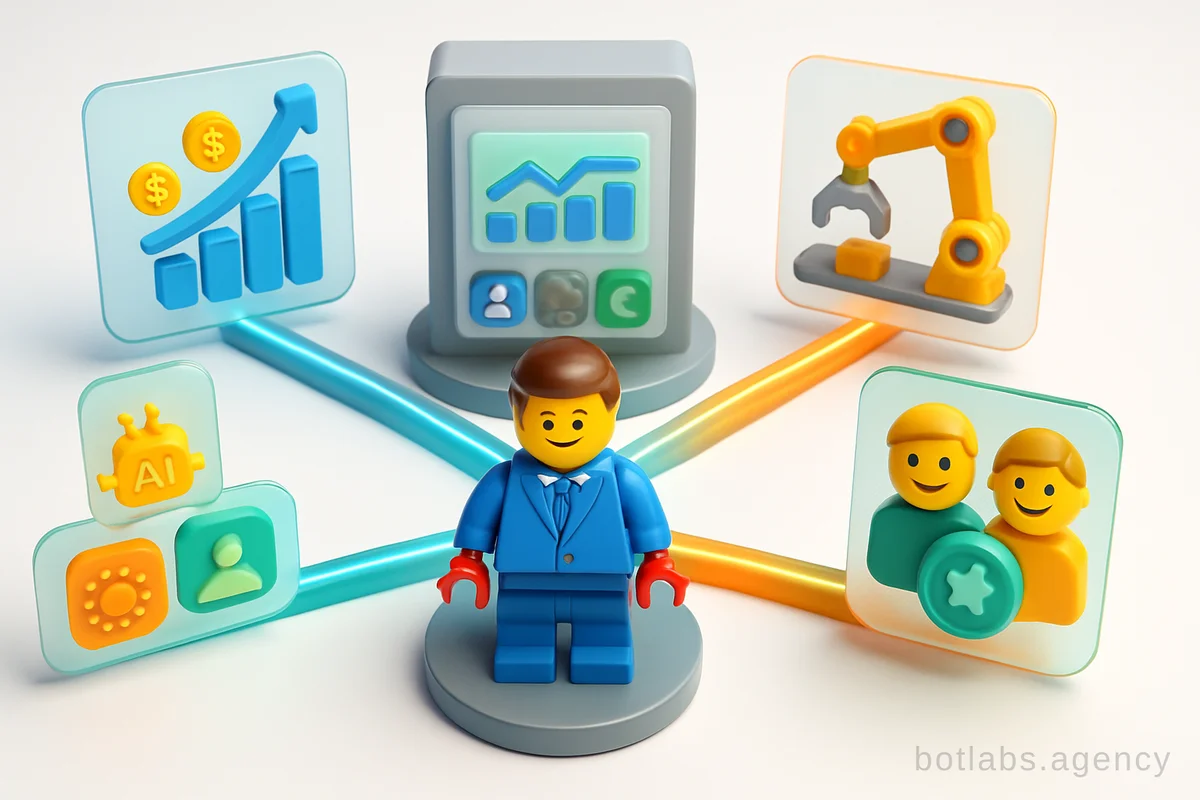
Manual sales routines—like data entry, chasing leads, or updating spreadsheets—are productivity killers. Sales automation uses AI-driven tools to optimize every stage of the sales cycle, freeing teams from repetitive tasks so they can focus on closing deals and nurturing relationships.
Key benefits include:
- Faster lead capture and scoring: Automation collects leads from web forms, emails, or campaigns, instantly enriches them with relevant data, and prioritizes them based on conversion probability.
- Smarter engagement: AI analyzes customer behavior and suggests the next best action or product recommendation.
- Automated follow-ups: Personalized emails and proposals are generated and sent at the right time, ensuring no opportunity slips through the cracks.
- Real-time analytics: Automated dashboards provide up-to-the-minute pipeline visibility and sales forecasts.
Example:
| Manual Sales Process | Automated Sales Process |
|---|---|
| Manual data entry | Auto-captured leads and data |
| Chasing leads individually | AI-driven lead scoring & assignment |
| Drafting proposals each time | Auto-generated proposals/contracts |
| Delayed follow-ups | Scheduled, personalized follow-ups |
CRM Systems: The Heart of Sales Automation
A modern CRM isn’t just a digital Rolodex—it’s the central nervous system of your sales automation strategy. By integrating communication channels, analytics, and task automation, a CRM ensures that every customer touchpoint is tracked, measured, and optimized.
Core CRM automation features:
- Lead capture and enrichment: New leads from web forms, email, or social channels are auto-logged with all relevant data.
- Automated workflows: Tasks and notifications are triggered at every sales funnel stage (e.g., after a client reply, set a follow-up call).
- Centralized communication: Every customer email, call, and chat is stored and accessible, even if a team member leaves.
- Automated reporting: Real-time sales analytics help managers spot issues and opportunities instantly.
- Easy onboarding: Automation makes it simple to transfer accounts and knowledge to new team members.
Tip: Choose a CRM that balances powerful automation with intuitive user experience—so your team actually uses it daily.
Retail Automation: Transforming the Customer Experience
Retailers in 2026 face relentless pressure to deliver faster service, personalized offers, and seamless online-offline experiences. Retail automation weaves together AI, IoT, robotics, and analytics to optimize every layer of the business.
Key technologies driving retail automation:
- AI & machine learning: Used for demand forecasting, inventory optimization, and personalizing marketing campaigns.
- Cloud platforms: Enable real-time data access and seamless integration between physical and digital channels.
- IoT devices: Smart shelves, sensors, and POS terminals track inventory and customer behavior in real time.
- Robotics & RPA: Robots handle warehouse picking/packing, while software bots automate data transfers and reporting.
Practical Example:
Personalization & Loyalty: The Automation Advantage
Personalization is no longer a luxury; it’s a necessity. Automation enables retailers and service providers to:
- Deliver targeted offers based on purchase history
- Trigger loyalty rewards automatically after repeat purchases
- Send individualized product recommendations to increase basket size
Case Insight:
Callout:
Automation lets even small or mid-size businesses offer the kind of personalized service that once required a dedicated team.
Integrating Automation Across Departments
The true power of automation lies in connecting sales, marketing, support, and operations for a seamless customer journey. Real-time data flow between departments ensures:
- No lost information when employees leave
- Faster response to customer inquiries
- Smoother handoffs between sales, support, and delivery
Numbered List: Steps to Start Your Automation Journey
- Map your current workflows: Identify repetitive tasks and bottlenecks.
- Choose the right tools: Evaluate CRMs and automation platforms that fit your business size and goals.
- Set clear rules and triggers: Define what gets automated and when (e.g., after a form submission, send a welcome email).
- Train your team: Ensure everyone understands and trusts the new system.
- Monitor and adjust: Use analytics to refine processes and maximize ROI.
For a deeper dive on platform selection, see Website, App, or Telegram Mini App: Which Platform is Right for Your Business?
Data-Driven Decisions & Analytics
Automation isn’t just about doing things faster—it’s about making smarter decisions. Automated analytics dashboards collect data from sales, marketing, support, and inventory, giving leaders a real-time view of business performance.
Benefits:
- Instantly spot trends, risks, and top performers
- Predict customer behavior and plan inventory accordingly
- Make evidence-based decisions, not gut guesses
Overcoming Challenges: Common Pitfalls and How to Avoid Them
Even the best automation tools can fail if they’re not implemented thoughtfully. Common challenges include:
- Over-automation: Automating too much can alienate customers. Keep a human touch where it matters.
- Poor data quality: Automation is only as good as the data it uses—invest in clean, well-organized databases.
- Lack of integration: Siloed systems can create friction. Choose platforms that integrate easily with your existing tools.
Tip: Start small, automate the highest-impact tasks first, and build on early wins.
Real-World Impact: Measurable ROI
Businesses that embrace automation report:
- Up to 17% time savings on data entry and admin tasks
- 28% higher sales conversion rates (see KLEIBERIT B2B dealer support chatbot)
- 34%+ growth in repeat purchases through loyalty automation (UA Made case)
- Faster onboarding and handover for new staff
Q1: What business processes should I automate first?
A: Start with repetitive, rule-based tasks (lead capture, follow-ups, reporting) that drain your team’s time but don’t require deep expertise.
Q2: How do I ensure automation doesn’t harm customer relationships?
A: Use automation to handle admin and trigger personalized touchpoints—but always give customers a path to real human support.
Q3: Do I need a big budget to start?
A: No. Many powerful automation solutions are scalable and affordable for SMBs. Start small and expand as you prove ROI.
---
Ready to unlock the power of automation for your business? Get a free consultation on chatbot development with BotLabs Agency
Want more success stories? View BotLabs chatbot portfolio

Need a chatbot for your business?
We automate your processes and boost sales.