Lead Generation Automation in 2026: Strategies, Tools, and Real-World Results
Introduction: Why Lead Generation Automation Matters in 2026
In the fast-paced digital landscape of 2026, competition for high-quality leads is fiercer than ever. Manual prospecting simply can’t keep up with customer expectations for instant, personalized engagement. That’s why automation is no longer a luxury—it’s a critical growth driver for businesses of all sizes.
This article unpacks the what, why, and how of lead generation automation, blending proven frameworks, actionable examples, and expert insights. Whether you’re a SaaS startup, a retail chain, or an enterprise B2B manufacturer, you’ll find strategies to streamline your sales pipeline and maximize ROI.
What is Lead Generation Automation?
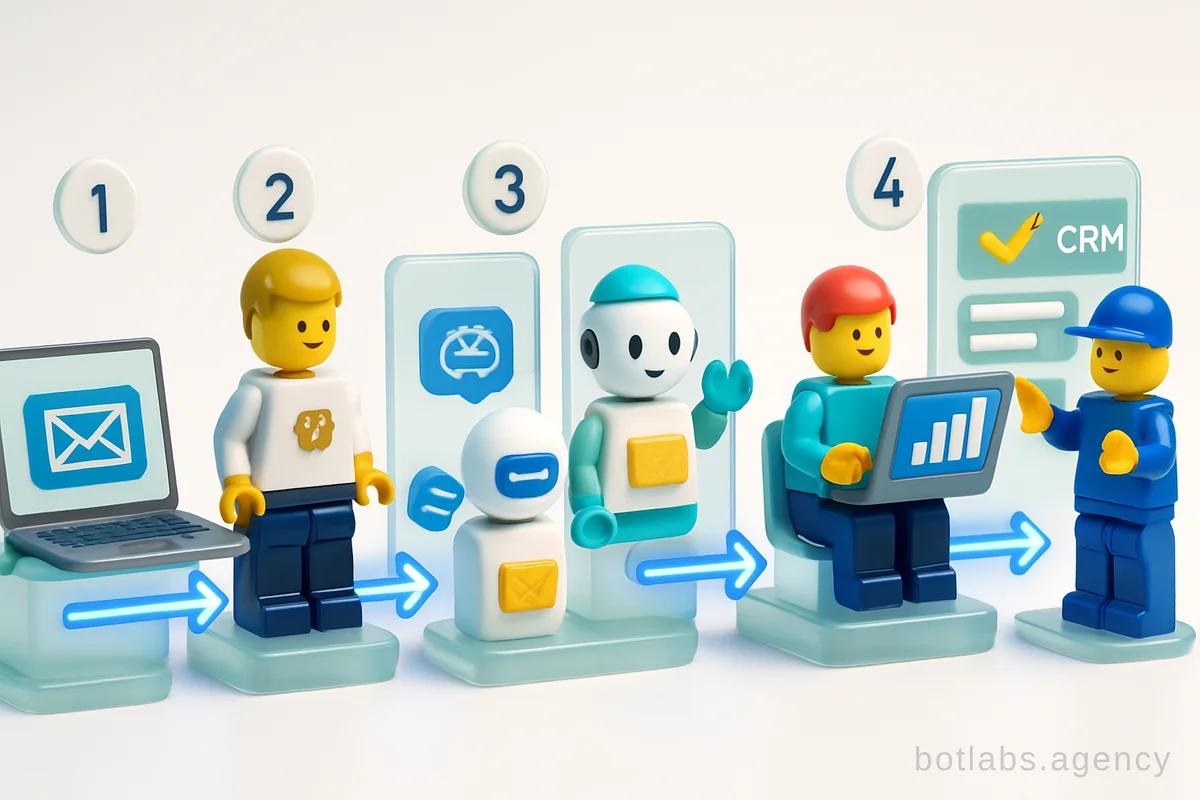
Lead generation automation is the systematic use of digital tools and workflows to discover, qualify, and nurture prospects—without constant manual intervention. It spans everything from AI-powered chatbots and automated email sequences to advanced data enrichment and CRM integrations.
Unlike manual lead generation, automation:
- Operates 24/7, capturing leads even outside office hours
- Reduces human error and data duplication
- Enables real-time personalization
- Frees up staff to focus on complex, high-value activities
Tip: Automation should always complement, not replace, human touchpoints in your sales process. Use automation for efficiency, and personal connections for closing deals.
The Business Benefits: Why Automate Lead Generation?
Automating your lead generation process delivers measurable advantages across the funnel:
| Benefit | Manual Lead Gen | Automated Lead Gen |
|---|---|---|
| Speed | Slow, batch-based | Real-time, instant |
| Accuracy | Prone to error | High, data-validated |
| Lead Quality | Inconsistent | Consistent, filtered |
| Employee Productivity | Routine-heavy | Focused on high-impact work |
| Cost Efficiency | High labor cost | Lower long-term cost |
| 24/7 Availability | No | Yes |
1. Higher Productivity & Cost Savings
Automated systems handle repetitive tasks—data entry, outreach, even initial qualification—leaving your team to focus on strategic, relationship-driven work. According to industry data, up to 80% of marketing automation users report increased lead volume and a measurable boost in productivity.
2. Consistent Lead Quality
Automation leverages AI to analyze data, score leads, and prioritize the most promising accounts. This means less time wasted on unqualified prospects and a higher conversion rate down the funnel.
3. Always-On, Multichannel Capture
Systems can engage visitors on your website, social channels, or messengers around the clock. AI chatbots, for example, can instantly qualify leads and route them to your CRM, as seen in BotLabs Agency's AstraDent Chatbot Case Study.
4. Better Data, Better Decisions
With automated reporting and analytics, you can continuously refine your targeting, test new acquisition channels, and optimize ROI.
Callout: Think of automation as your data-driven engine for growth. The more you automate, the richer your insights become, and the faster you can adapt.
Key Components of a Modern Lead Gen Automation System
Successful automation isn’t just about picking a few tools. It’s about building an integrated system where each part feeds the next. The essential building blocks:
- Lead Capture Tools: Forms, landing pages, pop-ups, and AI chatbots (e.g. Telegram bots, Mini Apps).
- Data Processing & Enrichment: CRM systems, real-time validation, data enrichment APIs.
- Communication Channels: Automated email, SMS, messengers, and push notifications.
- Nurturing Flows: Drip campaigns, retargeting, and sequenced follow-ups.
- Lead Scoring & Segmentation: Behavioral analytics and AI-driven prioritization.
- Reporting & Optimization: Dashboards, analytics, and A/B testing.
Tip: Avoid siloed tools! Integrate your automation stack for seamless handoffs and fewer lost leads.
Proven Workflows and Automation Tactics (with Examples)
Drawing inspiration from 600+ real-world workflows, here are top automation tactics for 2026:
1. Multichannel Lead Capture & Enrichment
- Scrape Business Profiles: Tools like Apify and n8n can extract relevant data (e.g., Google Maps business details), enrich it using AI (e.g., for email extraction), and populate your CRM in real-time.
- AI Chatbots for Instant Qualification: A chatbot on your website or Telegram can answer questions, pre-qualify leads, and sync data directly to HubSpot or Salesforce. See how AstraDent automates appointment booking and lead capture.
2. Automated Outreach & Personalization
- Targeted Email Sequences: Use workflows that trigger personalized emails based on user actions, segment, or lead score. For example, send a welcome series to new sign-ups or follow-up reminders for abandoned carts.
- Social & Messenger Outreach: Automate LinkedIn or Telegram outreach, with personalization tokens, to nurture B2B leads at scale.
3. Lead Scoring & Routing
- AI-driven scoring evaluates lead intent, engagement, and fit, automatically routing hot prospects to sales while nurturing others until they’re ready.
4. Feedback and Loyalty Loops
- Automated NPS surveys or feedback requests can be triggered post-purchase, feeding data back into your CRM for future segmentation.
Sample Workflow Table
| Workflow Name | Purpose | Tools Involved |
|---|---|---|
| Google Maps to CRM | Scrape & enrich B2B leads | Apify, n8n, HubSpot |
| Chat-to-Lead (Salesforce) | Qualify leads from chat | AI Chatbot, Salesforce |
| Automated Email Drip | Nurture new sign-ups | Mailchimp, Zapier |
| LinkedIn Outreach | Personalized B2B approach | LinkedIn, n8n, Lemlist |
Step-by-Step: How to Implement Lead Generation Automation
- Audit Your Current Process
- Map your existing lead funnels. Where are leads leaking? Which touchpoints are manual?
- Define Your Ideal Leads
- Build detailed buyer personas. Use analytics to understand who converts best.
- Select the Right Tools
- Evaluate platforms (e.g., HubSpot, Marketo, n8n, Zapier) for compatibility and integrations.
- Integrate and Connect
- Ensure data flows between capture tools, CRM, and communication channels.
- Design Automated Workflows
- Start with one or two core journeys (e.g., website sign-up to email nurture).
- Test & Optimize
- Monitor KPIs (conversion rate, lead quality) and tweak flows regularly.
- Scale and Expand
- Add new channels (e.g., Messenger, WhatsApp), deeper segmentation, and advanced analytics.
Tip: Start small but think big. Automate one process, prove ROI, then expand across your funnel.
Real-World Case Studies: Automation in Action
E-commerce Loyalty: UA Made Retail Network
By automating loyalty program onboarding and repeat purchase reminders with a Telegram chatbot, UA Made saw a 34% increase in repeat sales. Read the full case study.
Healthcare: AstraDent Dental Clinic
AstraDent’s AI chatbot automates appointment booking and patient reminders, reducing manual admin and boosting lead conversion. See how it works.
B2B Manufacturing: KLEIBERIT Dealer Support
KLEIBERIT’s automated chatbot system enables instant product inquiries, order placements, and dealer support, streamlining B2B lead capture and nurturing. Discover the automation story.
Practical Tips for Getting Started
- Prioritize integrations: Choose tools that work together seamlessly (e.g., CRM + chatbot + email).
- Focus on lead quality, not just quantity: Use scoring and enrichment to avoid junk leads.
- Monitor and iterate: Automation isn’t set-and-forget. Regularly review data and tweak flows.
- Leverage AI for personalization: Use chatbots and content personalization for higher engagement.
- Train your team: Ensure sales and marketing teams are aligned and can act on automated insights.
When NOT to Automate (and When to Go All-In)
Automate when:
- You have repeatable, high-volume lead capture tasks.
- Lead quality can be assessed via data (e.g., form fills, behavior, demographics).
- You want to scale without ballooning headcount.
Hold off on automation when:
- Your process is still undefined or too fragmented.
- High-touch, complex sales require deep human involvement up front.
- You lack clean, structured data to fuel automations.
Q1: What types of businesses benefit most from lead generation automation?
A: Both B2B and B2C organizations—especially those with high lead volumes or long sales cycles—see the greatest impact. SaaS, e-commerce, healthcare, and manufacturing are top sectors.
Q2: How quickly can I see ROI from lead gen automation?
A: Many companies report measurable improvements in lead volume and conversion within 1-3 months, provided workflows are set up correctly and tracked.
Q3: Can automation replace my sales team?
A: No. Automation accelerates and supports your team but can’t replace the need for human connections in high-value or complex deals.
For more insights, visit our FAQ page or explore our BotLabs Blog.

Need a chatbot for your business?
We automate your processes and boost sales.