AI for Customer Support Automation: Strategies, Benefits, and Real-World Results
Introduction: The New Era of Customer Support
Customer expectations are evolving faster than ever. In 2026, instant, personalized, and seamless support is not just a luxury—it's a requirement. Traditional support models, reliant on human agents, struggle to balance speed, personalization, and cost. Enter AI for customer support automation: AI-powered tools that streamline support, enhance agent productivity, and deliver consistent, proactive customer experiences.
Why AI for Customer Support Automation Is a Game-Changer
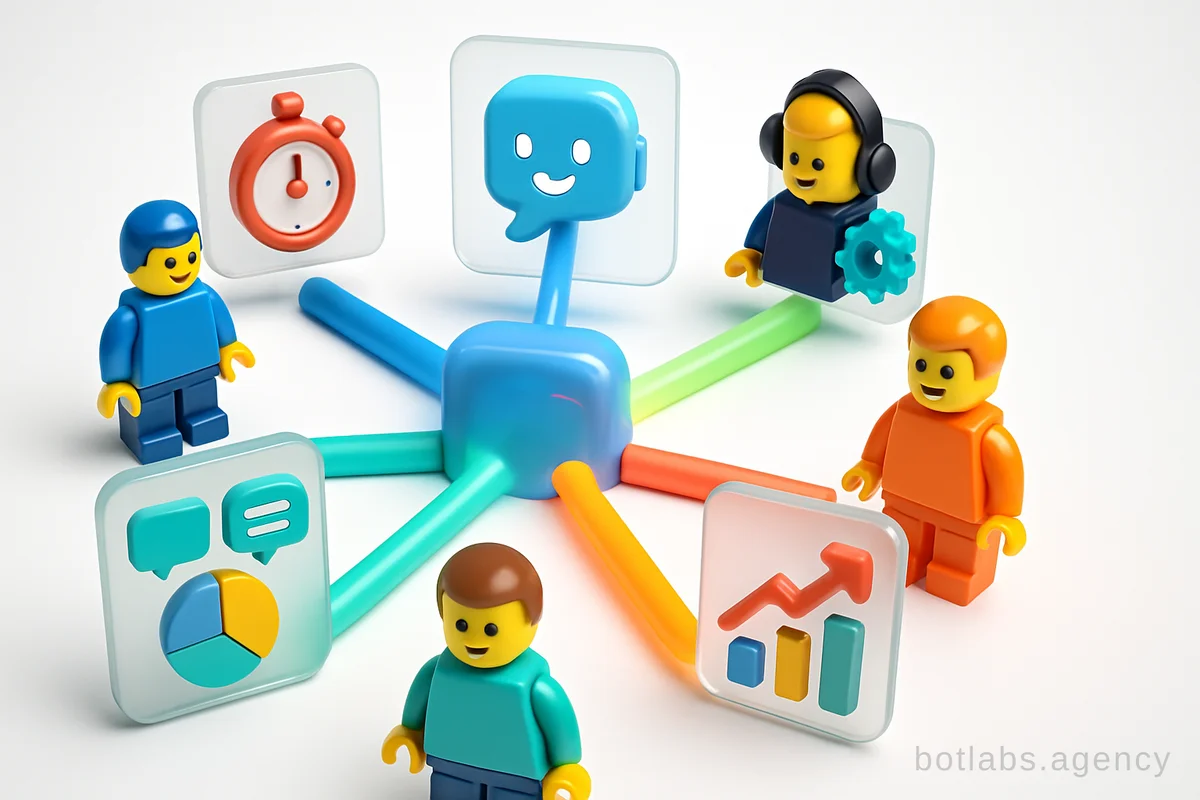
AI in customer support leverages technologies like natural language processing (NLP), machine learning (ML), and agentic process automation to deliver:
- Faster response times: AI-powered chatbots and virtual agents can resolve routine queries instantly, reducing average inbound call handling time by up to 38% (IBM).
- 24/7 availability: AI never sleeps, providing around-the-clock support without increasing headcount.
- Cost savings: Automation deflects routine tickets, lowering operational costs and allowing businesses to scale.
- Personalized experiences: AI analyzes engagement data to suggest tailored solutions and recommendations, boosting satisfaction (CSAT) and loyalty.
Tip: Combine AI speed and data insights with human empathy for complex cases—this hybrid approach yields the best customer experiences.
Core Capabilities: How AI Automates Customer Support
Let's explore the core ways AI is transforming customer service operations:
1. Chatbots and Virtual Customer Assistants (VCAs)
AI-powered chatbots provide instant answers to common queries, guide troubleshooting, and even walk customers through transactions—all via text or voice. VCAs, leveraging conversational AI, can handle more complex requests, such as order placements or account issues.
- Example: AstraDent's AI chatbot automates appointment booking and patient reminders, freeing staff for higher-value tasks.
2. Agentic Process Automation (APA)
APA goes beyond basic chatbots by autonomously executing multi-step processes—like verifying identity, routing tickets, updating records, and synchronizing knowledge bases. This cuts first response times by up to 85% and boosts service level agreement (SLA) compliance.
Table: Key Functions of Agentic Automation
| Function | Benefit |
|---|---|
| Ticket triage & routing | Faster, accurate assignment, reducing backlog |
| Knowledge management | Consistent, up-to-date self-service and agent assistance |
| Account administration | Automated setup, resets, and anomaly detection |
| Communication & follow-up | Automated reminders, surveys, and documentation |
3. Sentiment Analysis and Emotion Detection
AI can assess the tone of customer messages in real time, flagging urgent or negative cases for priority handling. This empowers teams to quickly defuse tense interactions and deliver more empathetic support.
4. Predictive and Proactive Support
By analyzing historical and real-time data, AI predicts customer needs or potential issues—offering proactive solutions before problems escalate. For instance, sending reminders for subscription renewals or detecting unusual account activity.
5. Smart Knowledge Management
AI scans and organizes knowledge base content, recommends the most relevant articles, and even generates tailored help content on the fly. This reduces agent onboarding time and enables customers to self-serve effectively.
6. Automated Quality Monitoring and Coaching
Real-time analytics review conversations, flag policy violations, and facilitate manager coaching—improving both compliance and customer experience.
Real-World Case Studies: AI-Powered Support in Action
E-commerce & Loyalty: UA Made Retail Network
BotLabs Agency developed a loyalty chatbot for UA Made, integrating it with CRM systems. The result? A 34% increase in repeat purchases, with the chatbot handling routine loyalty queries and rewards distribution, freeing staff for personalized upselling.
Healthcare: AstraDent Dental Clinic
The AstraDent AI chatbot automates appointment bookings, sends reminders, and answers FAQs. This not only cut administrative workload but also improved patient satisfaction through instant, accurate information—demonstrating how AI can elevate client experience in sensitive industries.
B2B Manufacturing: KLEIBERIT Dealer Support Chatbot
With the KLEIBERIT B2B chatbot, dealers can access product specifications, place orders, and get support 24/7, making the supply chain more resilient and responsive.
Best Practices: Implementing AI for Customer Support Automation
1. Balance Automation with Human Touch
Automate high-volume, repetitive tasks, but ensure seamless escalation to human agents for complex or sensitive issues. Use AI to augment—not replace—your team.
2. Prioritize Data Privacy and Security
Only 42% of customers trust businesses to use AI ethically. Be transparent about data use, comply with privacy regulations, and implement strong security controls. Building trust is critical for adoption.
3. Continuous Improvement
AI models learn from each interaction. Regularly monitor performance, update training data, and solicit customer feedback to enhance accuracy and relevance.
4. Integration and Scalability
Select AI platforms that integrate with your CRM, ITSM, and ERP systems, ensuring consistent experiences across channels. Scalability is vital to handle demand spikes without compromising quality.
Tip: Start with a pilot project—such as automating FAQs or appointment scheduling—and scale as you document ROI and gather user feedback.
ROI: Quantifying the Business Impact
- Cost Reduction: Organizations using AI in support report up to 80% lower cost-per-ticket within the first year (Automation Anywhere).
- Efficiency Gains: Agentic automation boosts agent productivity, reduces burnout, and improves morale by automating repetitive work.
- CX Metrics: Companies report higher CSAT and Net Promoter Scores (NPS) due to faster, more accurate, and consistent service delivery.
Table: AI Customer Support KPIs
| KPI | Pre-AI Baseline | Post-AI Improvement |
|---|---|---|
| Average Handle Time | 5 min | ↓ up to 85% |
| First Response Time | 1.5 min | ↓ to 20 seconds |
| Cost per Ticket | $10 | ↓ 60–80% |
| Repeat Purchases (ecom) | 20% | ↑ 34% (UA Made case) |
Common Challenges and Solutions
- Skill Gaps: Upskill your team in AI tools and workflow design.
- Change Management: Communicate benefits clearly to both staff and customers.
- Initial Investment: Opt for pre-trained AI agents for faster ROI and lower total cost of ownership.
- Customer Acceptance: Be transparent about AI usage and ensure easy access to human support.
Internal Links for Further Reading
- How Chatbots Transform Business in 2026
- How to Create Support Like monobank?
- TOP 9 Reasons to Implement a Chatbot in Your Business
Q1: Will AI replace human customer service agents?
A: No. The best results come from a hybrid approach—AI handles repetitive tasks, while humans provide empathy and solve complex issues.
Q2: How fast can I see ROI from AI customer support automation?
A: Most organizations see a reduction in cost-per-ticket and improved CSAT within the first year of deployment, especially using pre-trained AI agents.
Q3: What is the biggest risk with AI in customer support?
A: Data privacy and transparency. Always inform customers about AI use and follow strict data protection protocols.
---
Ready to explore your own AI-powered support solution? Request a free chatbot consultation from BotLabs Agency.

Need a chatbot for your business?
We automate your processes and boost sales.