Telegram Mini Apps for Booking: Opportunities, Monetization, and How to Ride the 2026 Trend
What Are Telegram Mini Apps and Why Are They Trending?
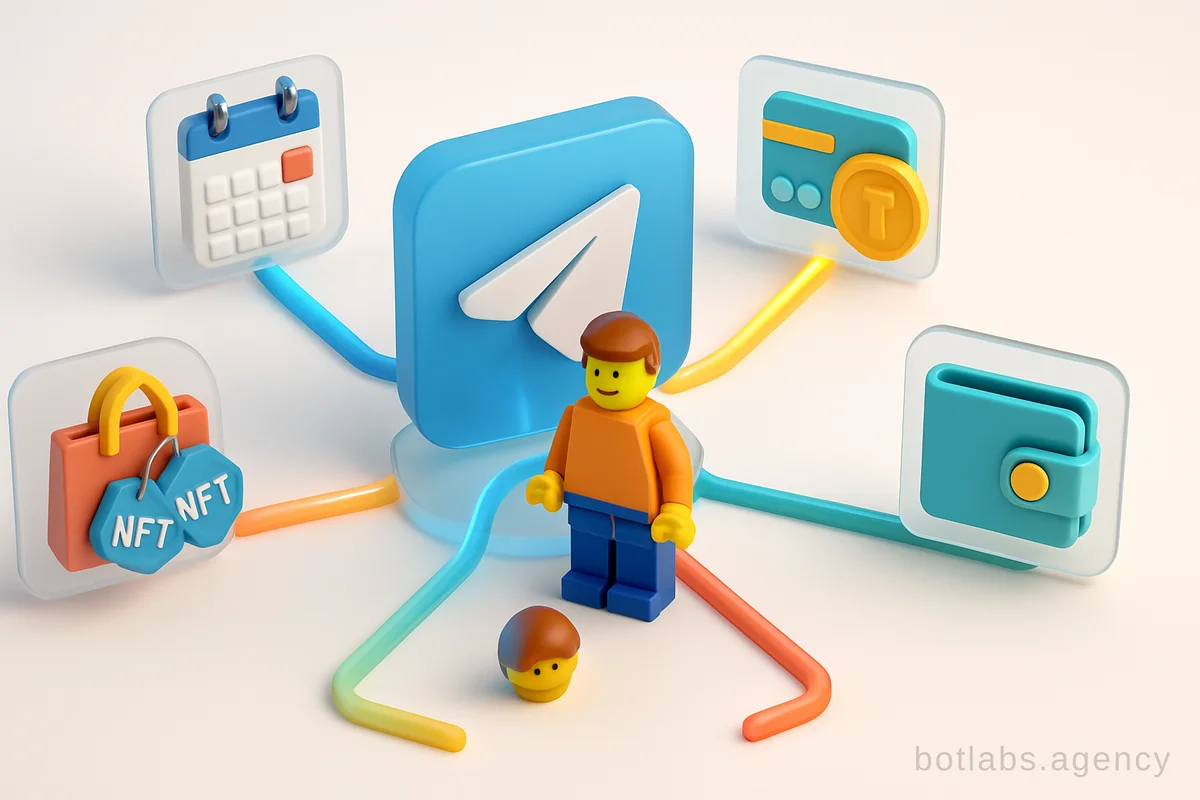
The conversation around Telegram Mini Apps (TMA) has reached a fever pitch in 2026. From a simple messenger, Telegram has evolved into a full-scale business platform and ecosystem. Mini Apps—web applications built with HTML, CSS, and JavaScript—run seamlessly inside Telegram, enabling businesses to deliver services, automate bookings, and launch new products without users ever leaving the app.
Telegram’s embrace of TON blockchain and Web3 technologies has supercharged this trend, letting Mini Apps accept both fiat and crypto payments, support microtransactions with negligible fees, and integrate innovative features like NFTs or digital wallets. With over 1 billion active Telegram users and 500 million engaging with Mini Apps, the potential for mass adoption is immense.
Tip: Launching a booking solution as a Mini App can dramatically reduce user friction: there's no need to download a separate app or remember a new login—users interact directly within their favorite messenger.
Telegram Mini Apps for Booking: Use Cases and Industries
While iGaming and crypto have dominated headlines with viral Mini Apps like Hamster Kombat, the booking niche is emerging as a powerful use case across multiple sectors:
- Medical clinics and dental practices use Mini Apps to automate appointment scheduling, patient triage, and reminders. AstraDent’s AI-powered chatbot is a prime example, handling bookings and patient FAQs 24/7.
- Gyms and fitness clubs leverage Mini Apps for class reservations and membership management, boosting client retention and reducing admin workloads.
- Restaurants and HoReCa automate table bookings, order management, and collect customer feedback directly via Telegram, as covered in this recent case study.
- Retailers and e-commerce integrate loyalty programs and product catalogs into Mini Apps, letting customers book services, browse products, and complete purchases without friction (read about the Jewelry Factory’s loyalty bot).
Table: Booking Automation with Telegram Mini Apps vs. Traditional Apps
| Feature | Telegram Mini App | Mobile App | Web Portal |
|---|---|---|---|
| No download required | Yes | No | Yes |
| Instant access via messenger | Yes | No | No |
| Push notifications | Yes (via Telegram) | Yes | No |
| Crypto payments (TON) | Yes | Rare | Possible |
| User onboarding friction | Low | High | Medium |
| Integration with chatbots | Native | Possible | Possible |
Key Metrics: Measuring the Success of Your Mini App
To maximize ROI from a Telegram Mini App for booking, it's crucial to monitor performance using industry-standard metrics:
- DAU/MAU (Daily/Monthly Active Users): Track how many unique users interact with your app.
- Retention Rate: Measures the percentage of users returning after initial use—a strong indicator of app value.
- Session Length: The average time a user spends per session; longer sessions often mean higher engagement.
- Conversion Rate: The share of users who complete target actions (e.g., booking an appointment).
- Lifetime Value (LTV): Calculated revenue per user over their entire engagement.
Tip: Implement analytics tools compatible with Telegram Mini Apps, such as Google Analytics or custom event tracking, to gain granular insights about user journeys.
Monetization Strategies: From In-App Purchases to Loyalty
Monetization within Mini Apps has matured rapidly, inspired by success stories in gaming and e-commerce:
- In-App Purchases: Like the swipe-to-earn game Catizen, which achieved $23 million in revenue from 800,000 paying users, Mini Apps can sell virtual goods, premium features, or even priority booking slots.
- Rewarded Engagement: Integrate reward systems (e.g., loyalty points, gamification) to drive repeat bookings and referrals. Retailers using loyalty chatbots have recorded up to 34% growth in repeat sales (UA Made case study).
- Advertising and Promotions: Partner with influencers or run targeted Telegram ads to boost app adoption; use popup or rewarded ads for additional revenue streams.
- Affiliate Integrations: Especially relevant for travel, wellness, or event booking apps, where cross-promotion is key.
Callout: Real-World Case
When a national retail chain implemented a loyalty Mini App, they observed not just increased bookings for in-store events but also better data capture for personalized marketing.
TON Ecosystem: The Web3 Backbone of Mini Apps
Telegram Mini Apps’ unique position comes from deep integration with the TON blockchain, unlocking:
- Crypto wallets and payments (e.g., Tether and XAUT now live on TON)
- NFTs for loyalty and ticketing
- Microtransactions with negligible fees
Apps like Hamster Kombat, Catizen, and Coco Rush exemplify these capabilities—enabling token rewards, in-app economies, and seamless cross-border payments.
For booking services, this means:
- Accepting both fiat and crypto payments
- Issuing NFT-based tickets or loyalty passes
- Creating reward programs built directly into the app, without intermediaries
Tip: Always verify the reliability of payment integrations and comply with Telegram’s platform rules to avoid unexpected commission fees (up to 30% if using Google Play or App Store payments).
Security and User Trust: How to Keep Your Mini App Safe
Mass adoption brings security risks. Here’s how to mitigate them:
- Verify Authenticity: Only use Mini Apps from verified developers or brands.
- Educate Users: Show clear onboarding messages about permissions and payment flows.
- Leverage Telegram Security: Utilize Telegram’s built-in authentication (Telegram Passport), encryption, and 2FA for sensitive actions.
- Monitor for Fraud: Regularly audit app code, monitor user reports, and keep up with TON security updates.
Tip: See our FAQ page for more on Mini App security best practices.
Building and Launching Your Telegram Mini App for Booking
Launching a successful Mini App involves several steps:
- Define Your Booking Workflow: Map out user journeys—from first launch to reservation confirmation.
- Choose Your Tech Stack: Most Mini Apps are built with HTML/JS. Integrate with TON for payments and Web3 features if needed.
- Implement Analytics & CRM: For example, retail and clinic apps often connect directly to CRM systems for full automation.
- Test Real Scenarios: Use beta groups to simulate real booking use cases and edge cases.
- Promote & Iterate: Leverage Telegram’s ad platform, influencer outreach, and direct user feedback to improve continuously.
For an in-depth guide, check out How to Launch Your Own Telegram Mini App: The Complete 2026 Guide.
Table: Mini App Booking Implementation Checklist
| Step | Description |
|---|---|
| Workflow Mapping | Define all booking steps |
| Tech Stack Selection | HTML/JS, TON, APIs |
| Analytics Integration | Google Analytics, custom events |
| CRM Connection | Automate user data & follow-up |
| User Testing | Beta group, iterate on feedback |
| Security Checks | Permissions, payments, fraud |
| Promotion & User Acquisition | Telegram ads, influencers |
Common Challenges and Solutions
- Discovery Issues: Users may find it hard to locate your Mini App. Solve this by embedding the app in popular channels, using direct links, and leveraging Telegram’s Mini App Store.
- Payment Friction: Integrate both fiat and crypto payment options to maximize conversions.
- Commission Fees: To avoid 15–30% commissions from app stores, use approved payment providers compatible with Telegram policies.
- User Retention: Gamify booking processes with loyalty points or exclusive offers to boost repeat engagement.
The Future: Why Booking Mini Apps Will Dominate in 2026
The convergence of messenger convenience, Web3 innovations, and streamlined booking experiences positions Telegram Mini Apps as the default platform for service reservations. Businesses that adopt early can achieve:
- Higher conversion rates
- Better user retention
- Reduced operational costs
- Access to new revenue streams (crypto, NFTs, affiliate)
Tip: Still unsure if a Mini App is right for your business? Compare your options in Website, App, or Telegram Mini App: Which Platform is Right for Your Business?
Q1: How long does it take to launch a booking Mini App?
A: With the right team, most booking Mini Apps can be developed and launched within 2–4 weeks, depending on complexity and required integrations.
Q2: Can I accept both fiat and crypto payments in my Mini App?
A: Yes, Telegram Mini Apps integrated with TON support both fiat and crypto (e.g., USDT, XAUT), though you must comply with payment provider and Telegram policies.
Q3: How do I ensure user data security?
A: Use Telegram’s authentication APIs, encrypt sensitive data, and follow best practices for Web3 and CRM integrations.
For more, visit our FAQ page or contact BotLabs Agency for a free consultation.

Need a chatbot for your business?
We automate your processes and boost sales.